
Monday 18th November – Saturday 30th November
Well… we’ve just about finished an elephantastic fortnight with the Sri Lanka Wildlife Conservation Society. But let me take you back to the start…
We took the 7 am train to Kandy, arriving at 9.30 am. The cost? 700 Sri Lankan rupees… about £3. For both of us. The train was a tad bumpy but extremely scenic and as we dozed and read our books, lush tropical landscapes passed us by. The doors to the train were always open and I felt a bit like Indiana Jones, sticking my head outside as the countryside whipped past.
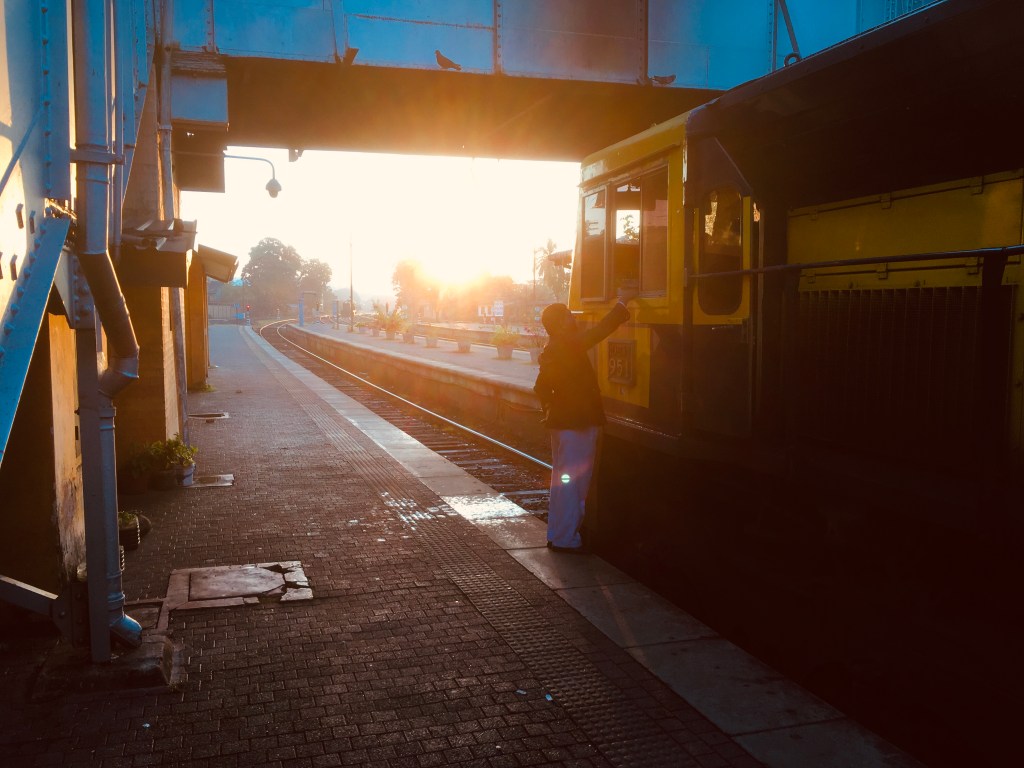
A sunrise start for the trip to Kandy. The trains in Sri Lanka are rail-y good.
We were met at Kandy by Chinthaka, the operations manager for the Sri Lanka Wildlife Conservation scheme (SLWCS; website https://www.slwcs.org/) and were given a history of the project. In the 1970’s the government organised the development of national parks, and as part of this initiative, the human population in the surrounding areas grew (from 3-4 villages to around 40) and the wildlife was moved into designated park areas. This also resulted in the growth of agriculture and growing of crops, including rice, in areas where the elephants used to live. The early solution had been to separate the villages and the national park with a large electric fence, but this was unsuccessful and over the following years human-elephant conflicts developed, with killings on both side. As such, in the 1990’s the SLWCS was developed, a non-profit charity whose aim was to reduce these conflicts. The first issue? Elephants love rice! (Chinthaka described it as being chocolate for them). Fencing was created around the villages to better protect the food stores and provide more security to the local people. The SLWCS also conduct research, through surveys and experiments. One of these was testing foods elephants don’t like and as a consequence, citrus fruits are now grown and used to create a smell to mask the scent of other (tasty) crops. The scheme also provides a free bus service for the local people to schools and outside facilities, to reduce the likelihood of conflicts in areas where elephants migrate. Our meeting with Chinthaka wetted our appetite for things to come and we were both really looking forward to contributing with SLWCS.
Fun Fact #1: An average male adult Sri Lankan elephant may reach 3.5 metres in shoulder height and weigh 5,500 kilograms
On arrival at the camp we met the rest of the volunteers (eight including us), the field scientist (Chatt) and the volunteer co-coordinator (Alicia). The team were very friendly and we felt comfortable from the word go. The field camp was basic but very clean and homely and we thought it was good that SLWCS money wasn’t wasted on unnecessary tourist comforts. Our mornings at the camp were filled with field activities from 8.45 am until 11.00 am. For example, we did pugmark surveys which involved making GPS recordings and written and photographic details of wild cat prints (four species: the jungle cat, fishing cat, leopard and rusty spotted cat). We also did activities such as clearing the butterfly garden at the field house, electric fence monitoring and elephant dung analysis. We then had free time until 3.30 pm, and then did elephant observations until 6.00 pm. We used the free time to design a spreadsheet for helping to identify elephants in camera traps that are located in the surrounding forests. However, due to the rain up north on the island (attracting the elephants) and cattle being (illegally) kept in areas where the elephants roam, we didn’t get much luck with the observations on most days. This proved to be a frustration for us and the conservation team.
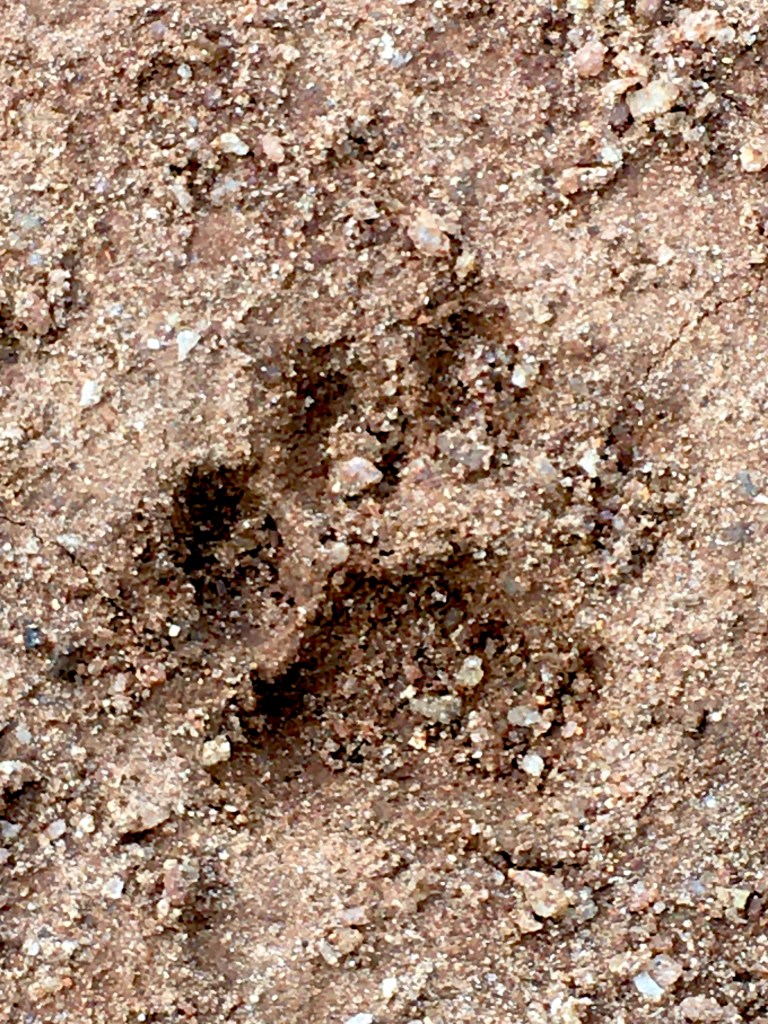
A paw-sitive result. Recording cat prints in the soil around the lake.
Fun Fact #2: The elephant has a very inefficient digestive system, where almost 45% of its food intake is passed through as undigested matter. Most elephants consume 100-150 kg of food and 80-160 litres of water per day.
We did however have one of the most amazing wildlife experiences we have ever had. Whilst driving our jeep through the national park area, we were SURROUNDED by 50-60 elephants, trumpeting, eating grass and generally have a great time. We have never been so blown away by wild animals in their natural habitat.
We also had some very moving experiences with SLWCS. For example, one day, a local farmer called the team because a leopard had attacked and killed his cow during the night. On arrival we could see how devastated he was by the death of what is considered a family member, and an important source of income. Luckily, the scheme can provide a new cow using the money we have donated. Another highlight was when our jeep broke down and we got a ride to camp on the elephant bus (explained earlier) with the locals.
Fun Fact #3: In Sri Lanka, only 7% of males bear tusks. This is because the ivory trade (hunting for their tusks) has made it evolutionary beneficial to be born without them.
At the weekend.- (separating our two weeks with SLWCS) we took a trip to Dambulla, where we went to the Royal Cave Temple and Golden Temple, which was an amazing experience, featuring hundreds of carved Buddhist statues, frescoes and other artwork, often painted onto the cave walls themselves. To get there, we caught an early bus from the field camp and for the modest cost of about £2, travelled for 3 hours on a very comfortable bus, complete with blaring music, flashing lights and chatty locals!! We also had lunch at a local restaurant in Dambulla (the only tourists in there) and were treated to an amazing vegetable curry and rice dish (two very large portions) for just over £1. Getting in the spirit of things, we even ate with our hands!!
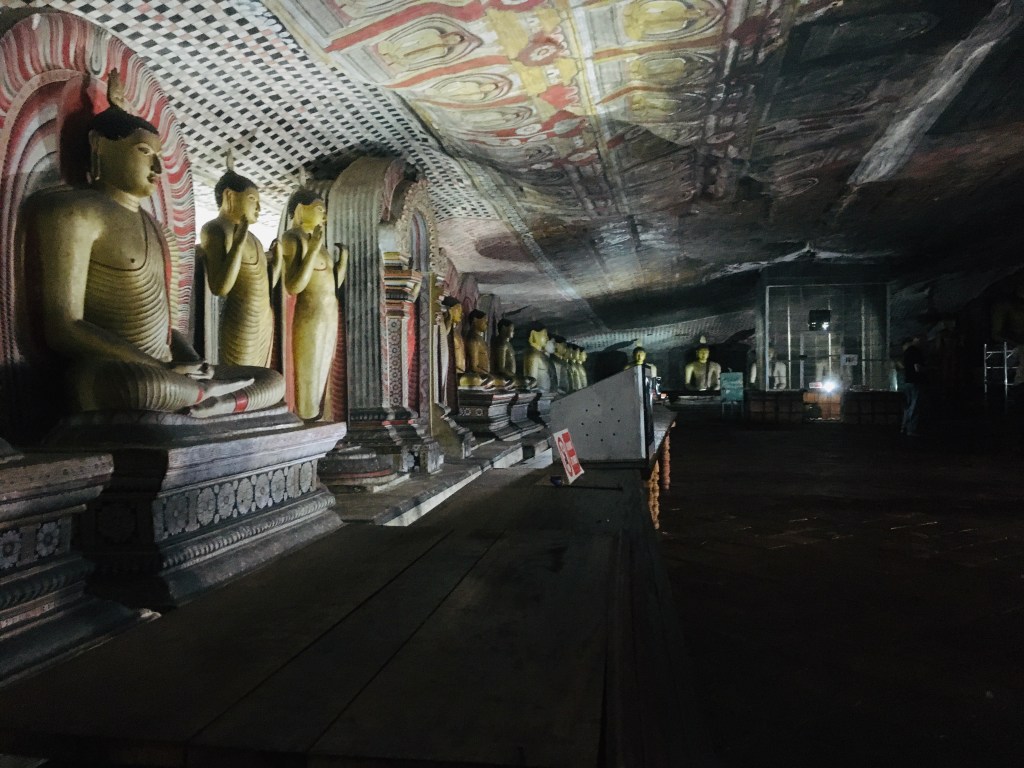
After being unsure, we caved and paid to see the Dambulla temples. Worth every penny. 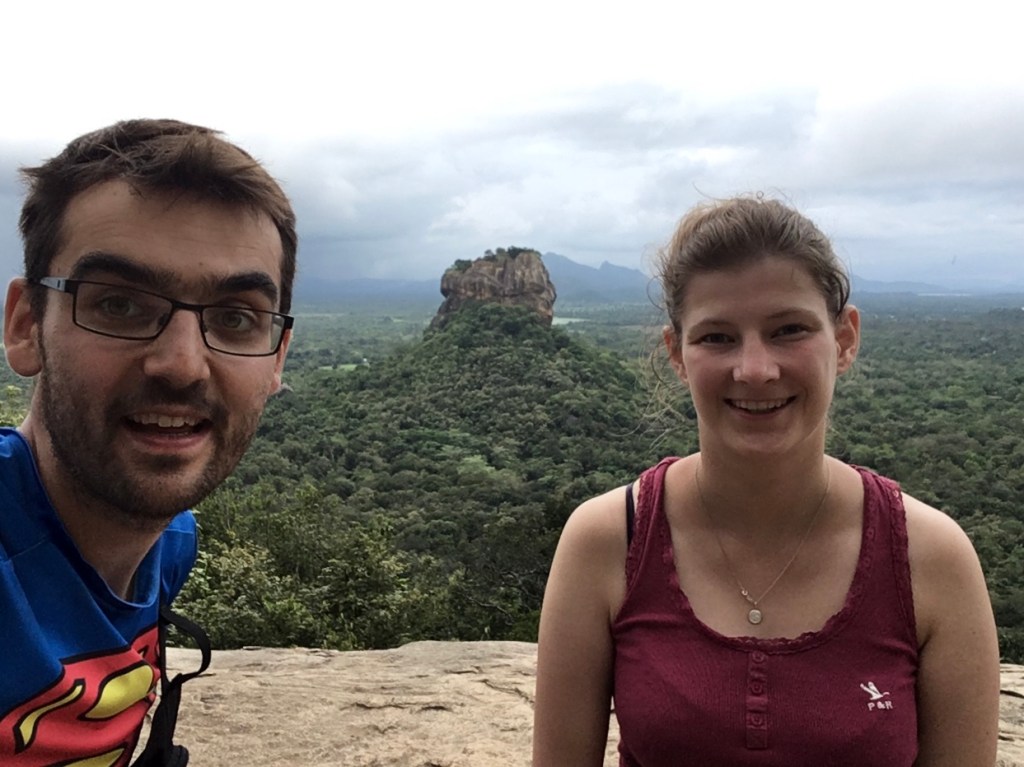
This view really rocked.
We then travelled to Sigiriya, famous for the ancient rock fortress (although we didn’t go due to the outrageous price for tourists). We chose instead to go to Pidurangala rock, which is another towering rock with amazing views of Sigiriya and home to an ancient cave temple. The hike was amazing, 20-30 minutes through caves, forest and over boulders. We went twice, for sunrise and sunset, and although it was cloudy BOTH TIMES, we were treated to amazing panoramic views of the lush Sri Lankan jungle and would definitely recommend this as a (much, much, much) cheaper version of Sigiriya. In what was becoming a theme for Sri Lanka we also got caught in a thunderstorm!! However, after a (cold) shower at our local home stay, we were soon laughing about this, as we had our dinner in a romantic spot in the town (the only downside was that by the sound of the hammering, they may have been building the restaurant around us).
Our next stop? Somewhere very sweet. If you can find a map of Sri Lanka, I will let you work that one out.
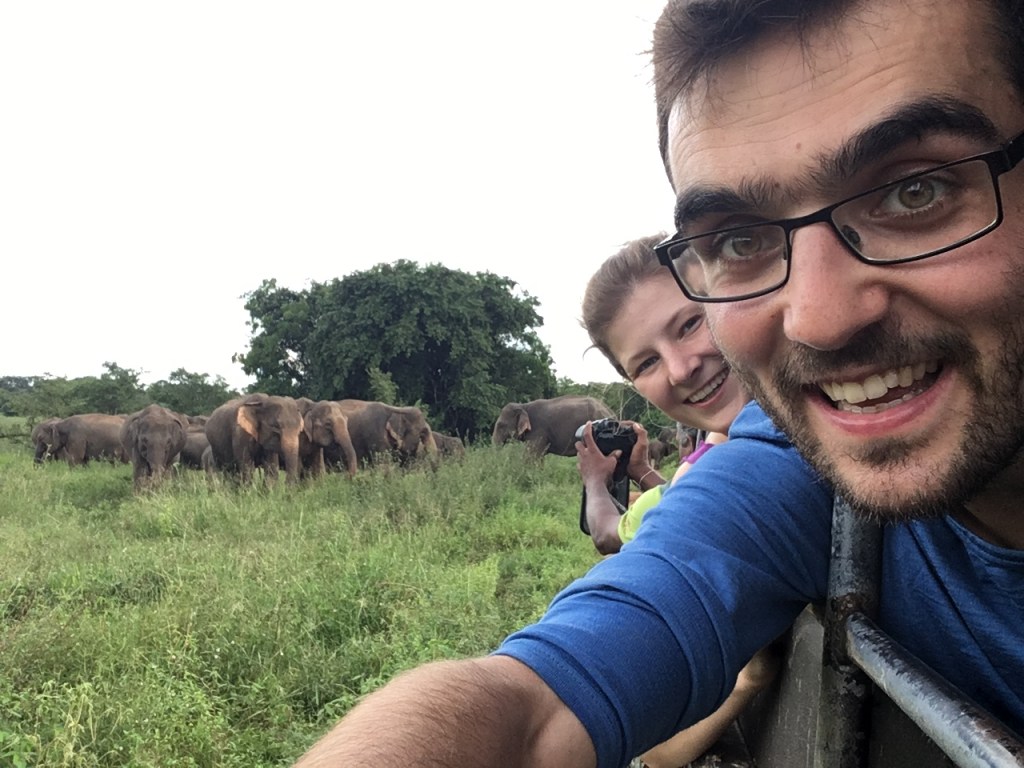
A shameless selfie with our new friends.
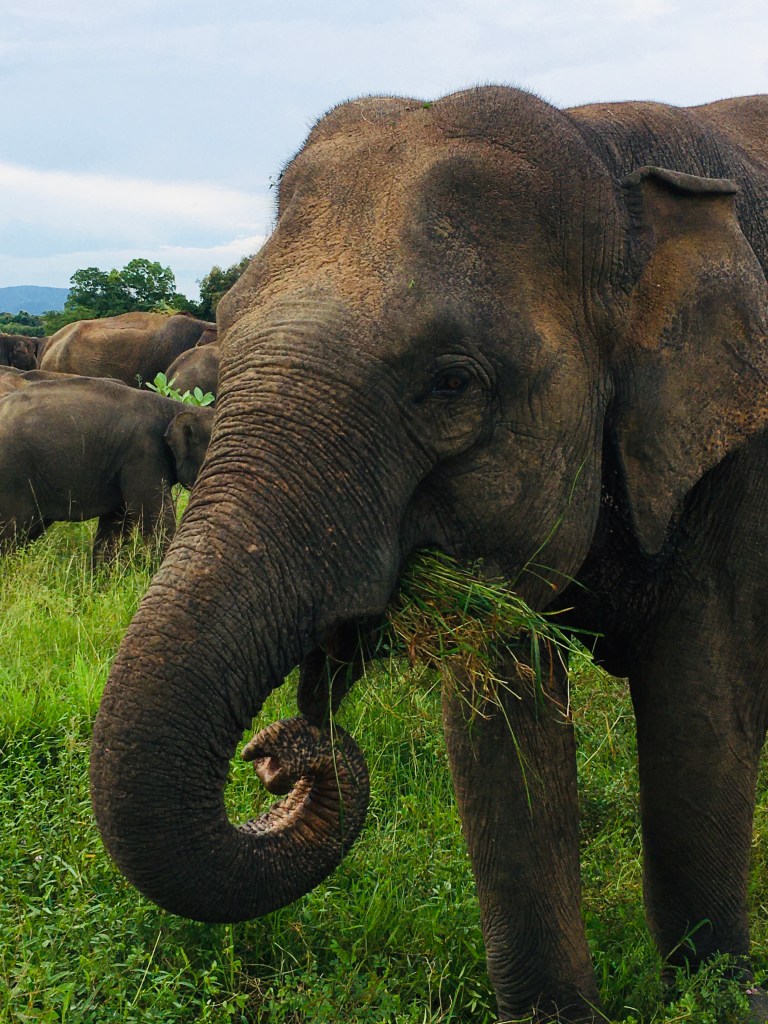
A lovely lunch. All 100-150 kg of it.
 Rob Roams (around the world!!)