
11th January – 12th January (Hue)
As a belated Christmas present to each other we decided to travel from Hoi An to Hue by motorbike. In true Top Gear style (see: https://www.youtube.com/watch?v=639EFj3RJkw) we conquered the Hai Van Pass as part of an epic day led by our guide Chung, who made us laugh with his great sense of humour (the company website: http://hiddenlandtravel.com/tour/hoi-an-hue-motorbike-tour/). The pass was only part of the experience and we were treated to stunning views throughout the day as we sped past fishing villages, lagoons and rice fields. It was nice to escape from the bigger cities and see a quieter side of Vietnam, something that could easily be missed if making the same journey by car or bus. Other stops along the way included the very slippery Elephant springs (where Helen’s phone went for a dip), the city of ghosts (a brilliantly coloured cemetery) and the ancient Thanh Toan Bridge. Travelling by motorbike was exhilarating and although we were suffering from sore bums and stiff legs, it was a great (and truly Vietnamese) experience. The evening was spent exploring the riverside in Hue and dining at the highly rated, ridiculously cheap and super tasty Madam Thu restaurant (http://madamthu.com/). A top (gear) day.
Vietnam travel tip #4: Ride a motorbike at least once. Motorbikes are simply part of the scenery here and it is a great way to explore the countryside. A tad scary but extremely memorable.
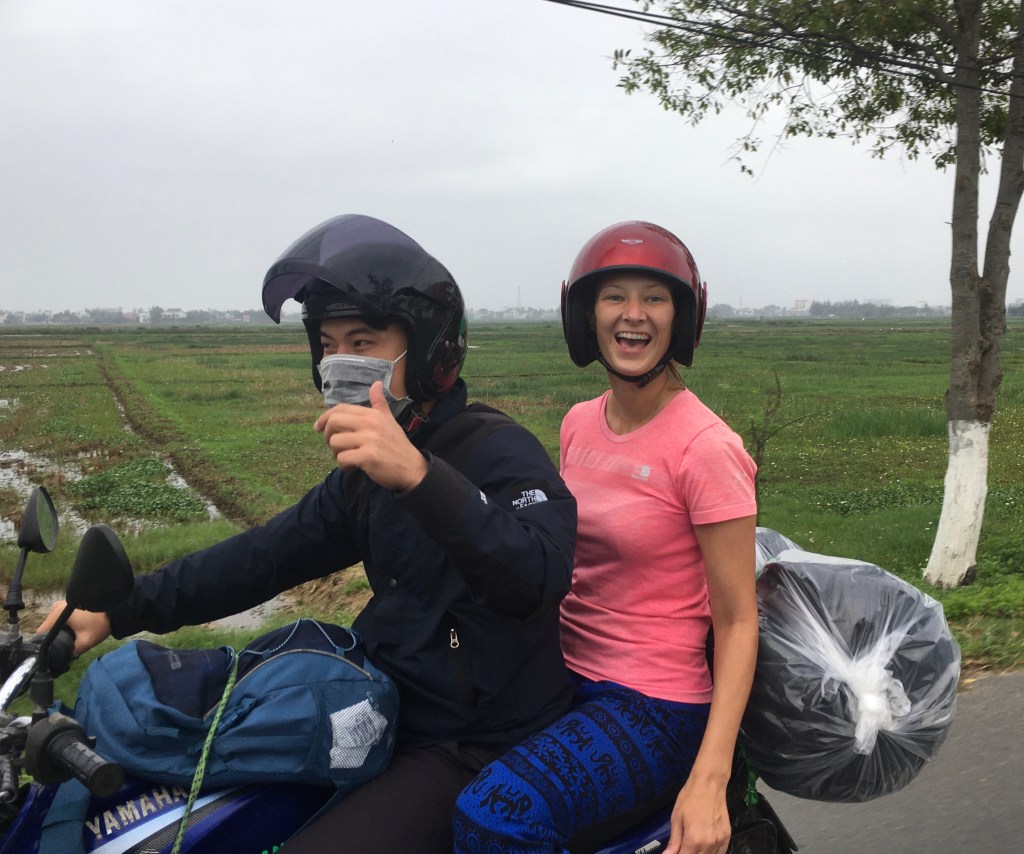
Sitting with joy 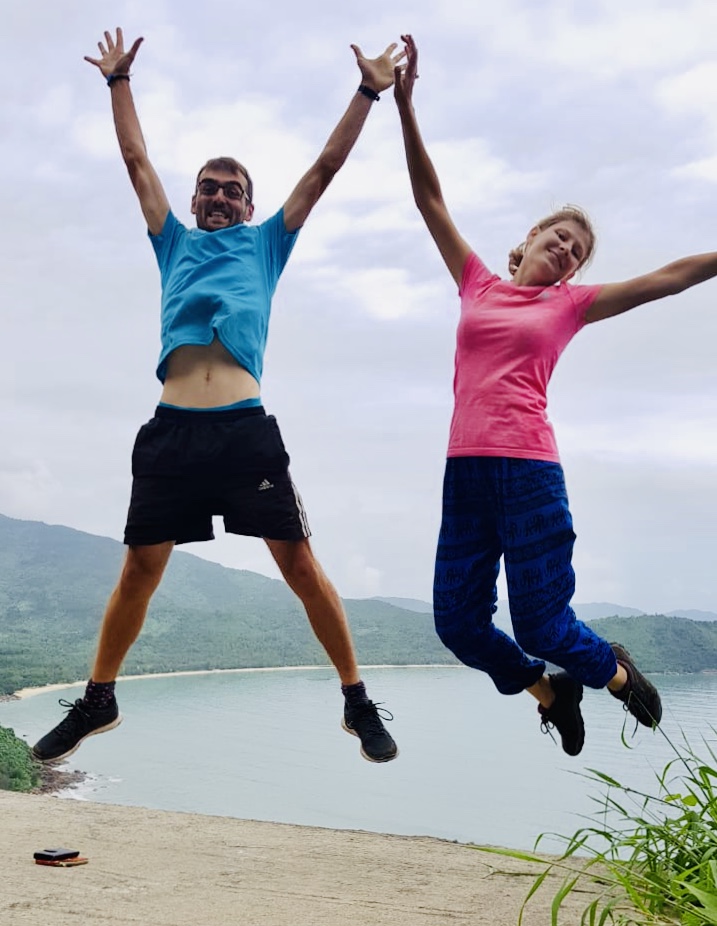
Jumping with joy
Hue-t a great day. Our day in Hue started with a walk to the beautiful seven-tiered Thein Mu Pagoda, which is a Buddhist temple and the tallest religious building in Vietnam. The gardens behind the main structure were also nice to meander around. We then headed back towards the main city to visit the old imperial city complex. The complex was developed between 1804 and 1833 and contained around 150 structures and buildings, acting as an important centre of political affairs but also daily life for the Nguyen emperors (1802-1945). The complex was badly damaged by war in 1945 and 1967 and is now being restored, but some of the old buildings have survived and the area made for pleasant walking. Our first stop was the Throne Palace (also known as the Thai Hoa Palace or Palace of Supreme Harmony), which was the preferred setting for ceremonies including the coronations of new emperors. The palace contained stunning decorations and the gold plated throne of the emperor, from where it was possible to hear anything from within the temple (spies and enemies beware…). We also visited the royal theatre where the imperial family enjoyed traditional arts, banquets and music performances. It was nice to learn about Vietnam’s history from the time of the first Nguyen emperor (Gia Long in 1802), and the following ebb and flow of power between the monarchy and the French, before the last emperor (Bao Dai) gave up sword and seal at the Ngo Mon gate (at the front of the complex) in August of 1945. Aside from the beautiful gardens, sculpted bridges and towering ornate gates, our favourite spot was the Hiem Lam Pavilion which contained nine dynastic urns which represent the reign of each emperor with carvings of mystical animals (a personal favourite was the dragon with five claws). In the same area the To Mieu temple also houses shrines to the emperors, with Gia Long taking centre-stage.
Vietnam travel tip #5: As self-exploration is quite difficult in many areas of Vietnam, tours can be a great option to explore the country in a more stress-free way. We mainly looked at tours that friends and family have done previously but it is also possible to book last minute in many of the cities.
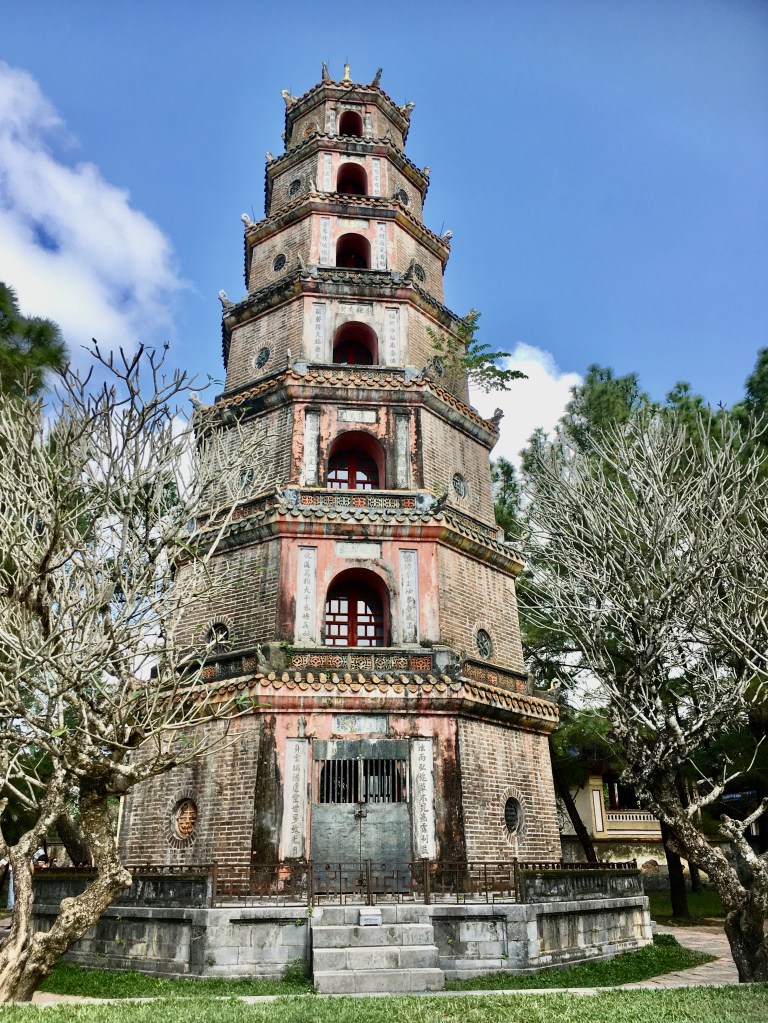
The Thien Mu Pagoda 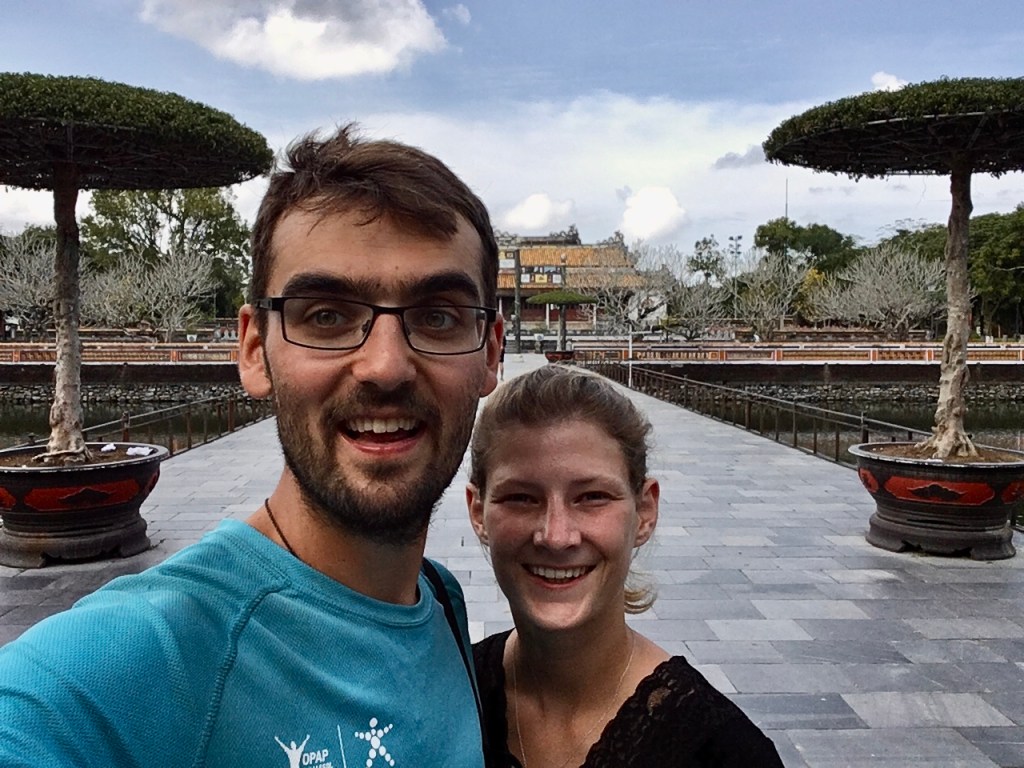
A royal view in the imperial city
13th January-14th January (Phong Nha)
On the 13th we did an adventure/trekking day in Phong Nha National Park. The tour was arranged by Jungle Boss (link: https://www.jungle-boss.com/adventure-tours-2/abandoned-valley-trek/) and was a Christmas present from Bob and Pat French (MASSIVE thank you!!). We were picked up early and started trekking through the dense jungle, before arriving at our first stop, the very aptly named Dark Cave. Yep, they called it Dark Cave because it is dark inside. We both loved the trekking and we waded across rivers (often knee deep) and clambered over rocks inside the cave. We then swam in the blue waters at our second stop, E cave, before an outrageous BBQ lunch (I think I must have eaten my bodyweight in BBQ food). Our guide Dung was brilliant and throughout the day explained the history of the original Ho Chi Minh trail (which we hiked on). This was a definite highlight of the trip so far and we celebrated with our group over a cold drink at the end.
On our second day in Phong Nha, we rented bikes and cycled through the amazing Vietnamese countryside. We found ourselves in rural villages, surrounded by rice fields and panoramic views. Our lunch stop (Phong Nha Farm Stay) was also insanely good and the eggplant with peanuts was to die for. It has been lovely to escape from city life over the last few days and emerge ourselves fully in nature. Some of the rice fields were so green it looked like they had been filtered. We have already visited some amazing places, but Phong Nha is right up there in the natural beauty category. I just hope that it manages to keep its rustic charm with the ever-growing tourist industry in the area.
Vietnam travel tip #6: If you want the best price for buses and tours, it is often best not to pre-book but to do things last minute with homestays/hostels on arrival. We made the mistake of booking some buses online and overpaid by a fair few quid. Lesson learnt!!
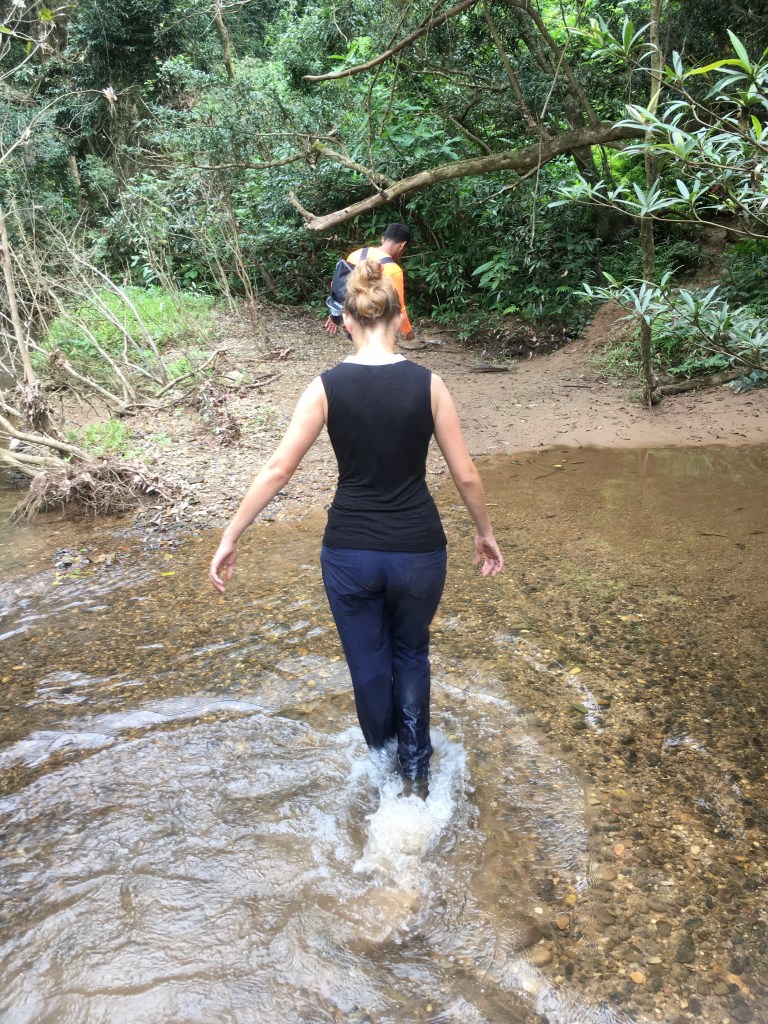
We weren’t even lost!! 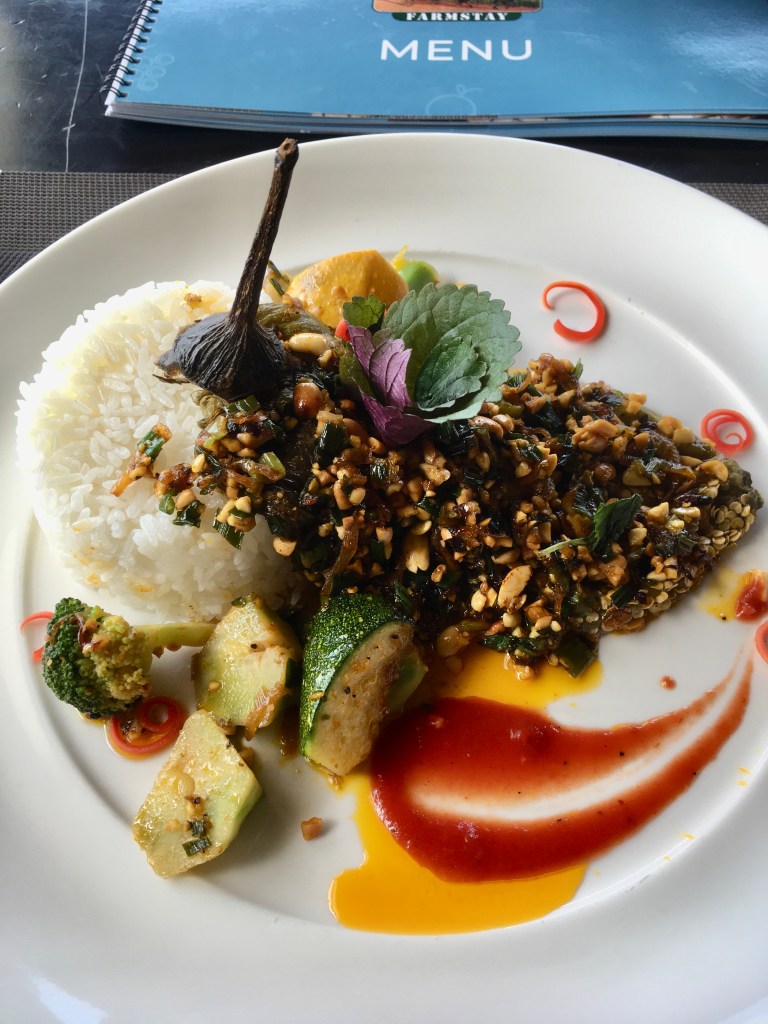
A farm stay feast 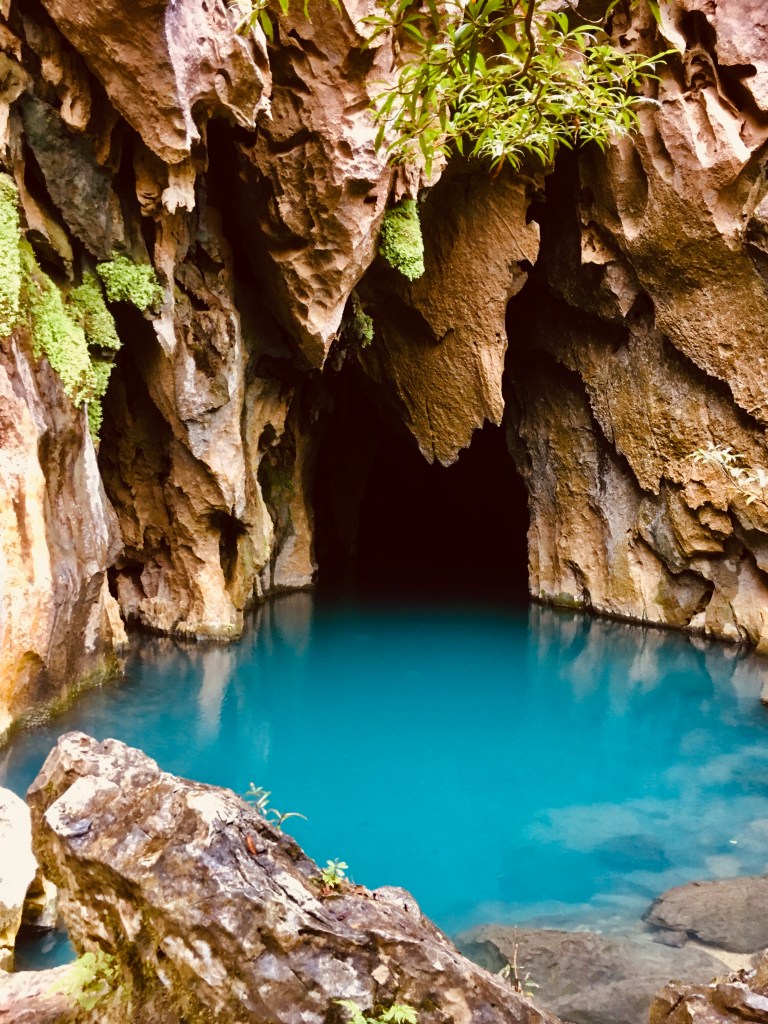
It really was that blue… 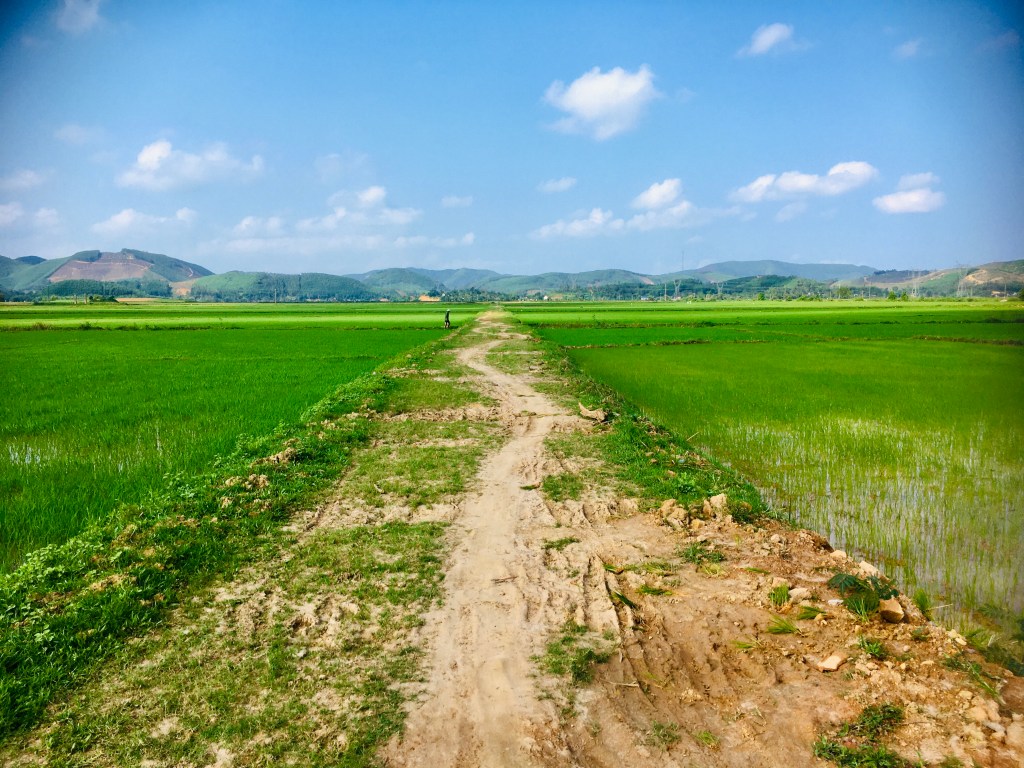
…and it really was that green
15th January-16th January (Hanoi)
In an attempt to reduce our flying time, we took an overnight bus from Phong Nha to Hanoi, which was surprisingly ok. Apart from some rather rude bus conductors, we managed to get a few winks and weren’t too tired for Day 1 in Hanoi. The morning was spent exploring a small botanical garden, before heading to the extremely impressive Imperial Citadel of Thang Long. In a nut shell, the imperial city in Hanoi is an older version of Hue (although so much better). The complex dates back to the Ly Dynasty (1009-1225 AD), who moved the capitol here in 1010 AD from Ninh Binh. Then in 1802 the Nguyen emperors moved the capitol again (this time to Hue) although the complex was still used as their Northern Palace and remained an important site for ceremonies (but many of the original buildings were destroyed). However, prior to the Nguyens, the imperial city in Hanoi was the most important site for political, cultural and religious events in Vietnam. One of my favourite exhibitions explained the education and examination system of the Ly Dynasty and the royal exams, with ceremonies featuring cool hats, robes and feasts (just like a PhD graduation).
Since 2000 the site has been excavated extensively, which has unearthed domestic implements like ceramics, stoneware, metal objects for cooking and daily life. In particular the high class ceramics were impressive with beautiful decorations featuring dragons with five claws (a symbol of the kings) but also phoenixes, swans or floral wave patterns (for the queens). The sad part is that now the complex is mostly in ruins and although some structures survived, these have been dramatically transformed at various points. In particular, the occupation of the French (1883-1897) involved the destruction of the central Kinh Thien Palace. Another surprise was that the site played a hugely important role in Vietnam’s recent history. After the armistice of the first Indochina war, when the Vietnamese army liberated Hanoi (10th October 1954) the flag ceremony happened in front of the South Gate (Doan Mon Gate). Also, the complex was the HQ of the North Vietnamese government and army during the American war and we went into old bunkers and the D67 building, where many important figures including General Van Tien Dung (the chief of general staff) had offices. Ha-noit at all bad for just £1 each (although it would have been nice if every child in Vietnam had not also been there at the same time as us). The afternoon included a visit to the Dong Xuân market and St Joseph’s cathedral, before a tasty lunch at Huong Viet restaurant in the Old Quarter. We then got Helen a new phone (turns out phones can’t swim as per the entry for Hue).
On our next day we visited the Ho Chi Minh Mausoleum in Ba Dinh Square, which is the final resting place for Uncle Ho (as known to the people in Vietnam). Here, his body remains preserved in a glass case (on show to the public) albeit against his wishes for a simple burial. Ho Chi Minh (this was an adopted name meaning bringer of light) travelled and did a variety of normal jobs in his youth. His interest in politics grew whilst living in France and in 1941 he returned to Vietnam to lead the independence movement against the Japanese and French. In 1945 the Viet Minh announced independence with the end of WW2. However, the French remained in control of the South as they refused to relinquish their colony and shortly after war broke out again and conflict remained between the communist North and non-communist South until 1954 (with Ho Chi Minh as leader of the North). In subsequent years, there was more conflict with the Viet Cong against the Southern government with the US, fearing the spread of communist becoming involved. Eventually when the North recaptured Saigon in 1975, they named the city Ho Chi Minh City, demonstrating the importance of their leader who died in 1969. We also visited Ho Chi Minh’s simplistic house on stilts and other residences where he worked and lived from 1954 to 1969. The complex, also contained the One Pillar Pagoda which was originally built in 1028-1054 and represents the lotus blossom (Buddhist symbol of enlightenment) coming out of the water. The pagoda was rebuilt in 1955 after being destroyed by the French.
Over the last week we have learnt so much about Vietnam’s rich history which has been fantastic. Our next stop is Sa Pa for some more hiking and exploration of the countryside.
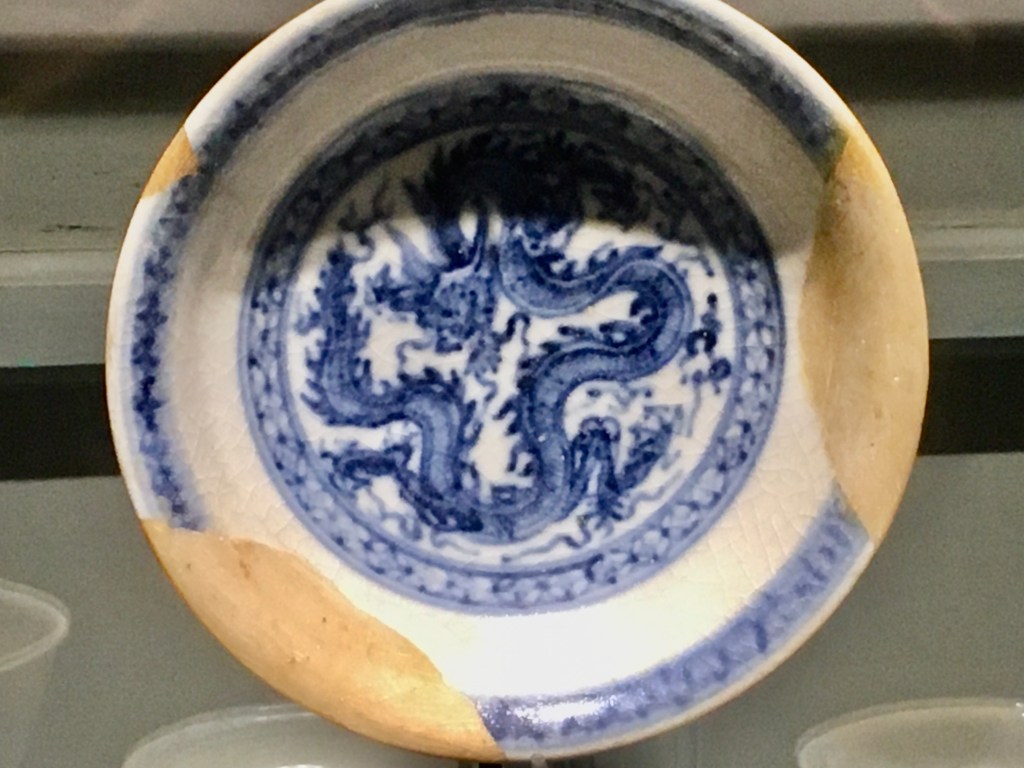
The dragon with five claws 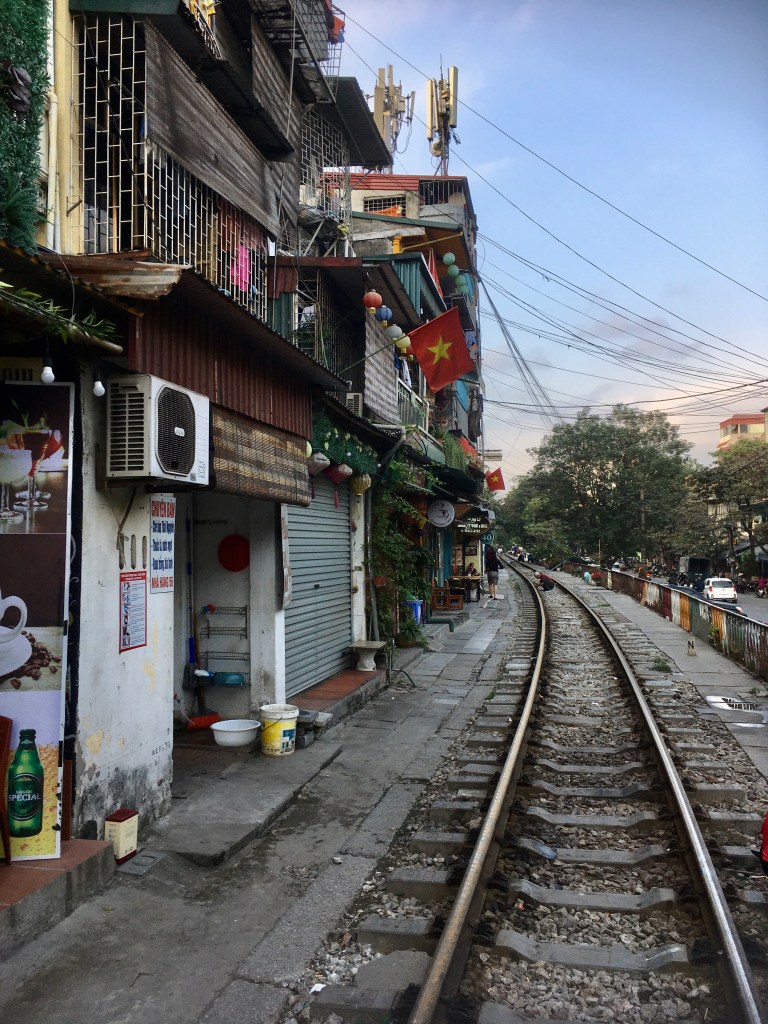
The quiet side of Hanoi 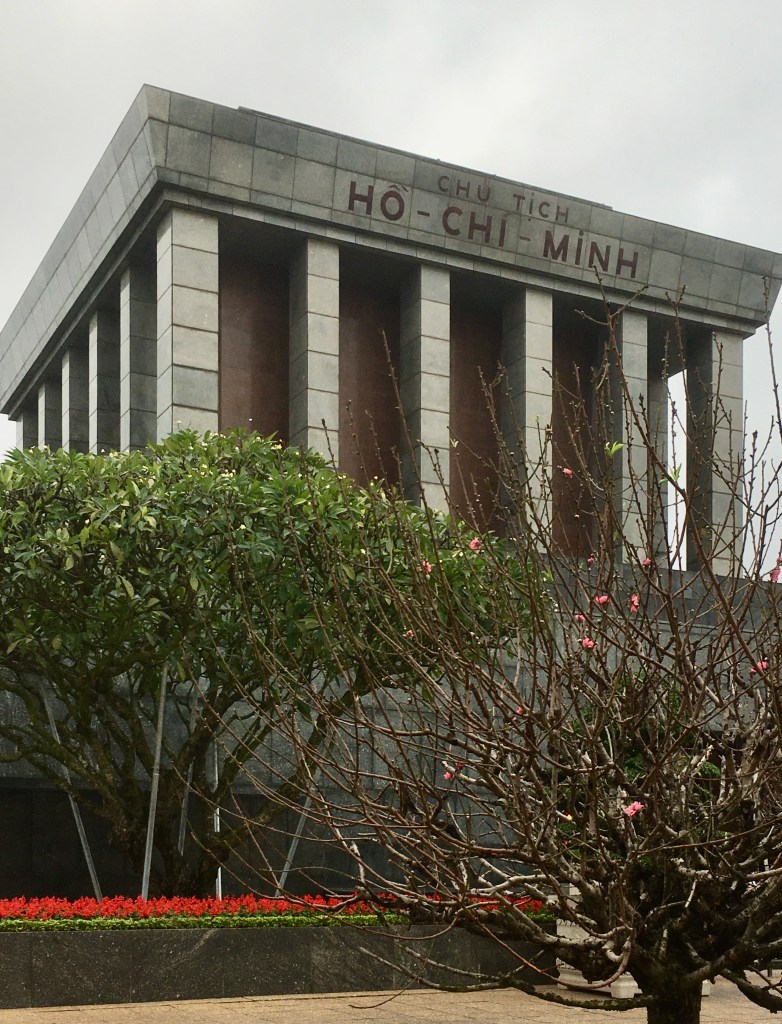
The Mausoleum
 Rob Roams (around the world!!)