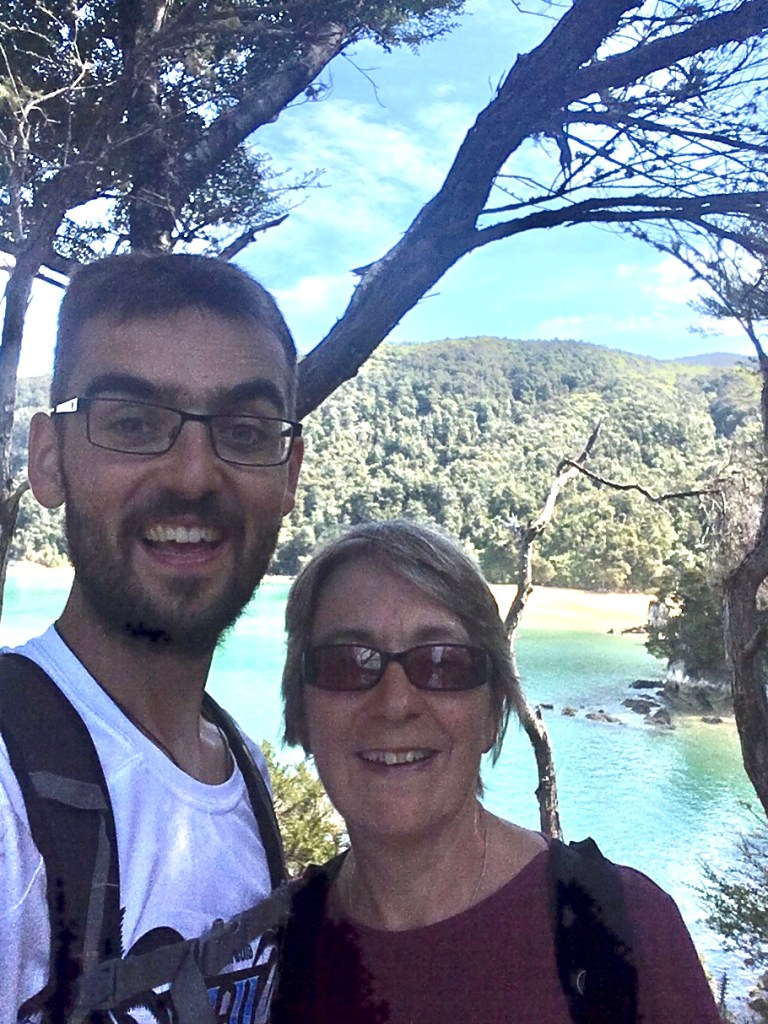
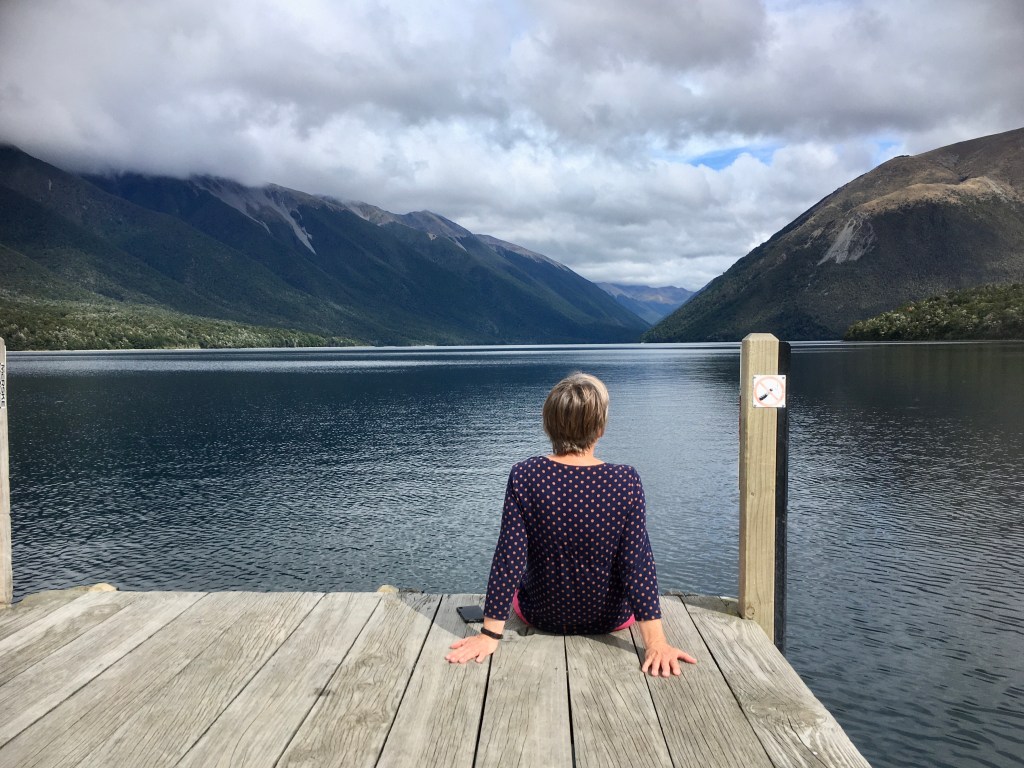
It’s the final countdown…

We’re leaving together (*a planeload of Brits)
But still it’s farewell
And maybe we’ll come back (*I am pretty sure I will)
To earth (*NZ), who can tell?
I guess there is no one to blame (*COVID-19 is not a person)
We’re leaving ground, leaving ground
Will things ever be the same again? (*probably not thanks to Boris)

IT’S THE FINAL COUNTDOWN, THE FINAL COUNTDOWN!!

In my first blog post I talked about my dream to go to Australia. Well… that didn’t quite pan out. Then again… what better excuse to plan my next trip? Life is full of ups and downs, and you’ve got to look on the bright side (the ups) and I’m sure the future will bring me down(under).

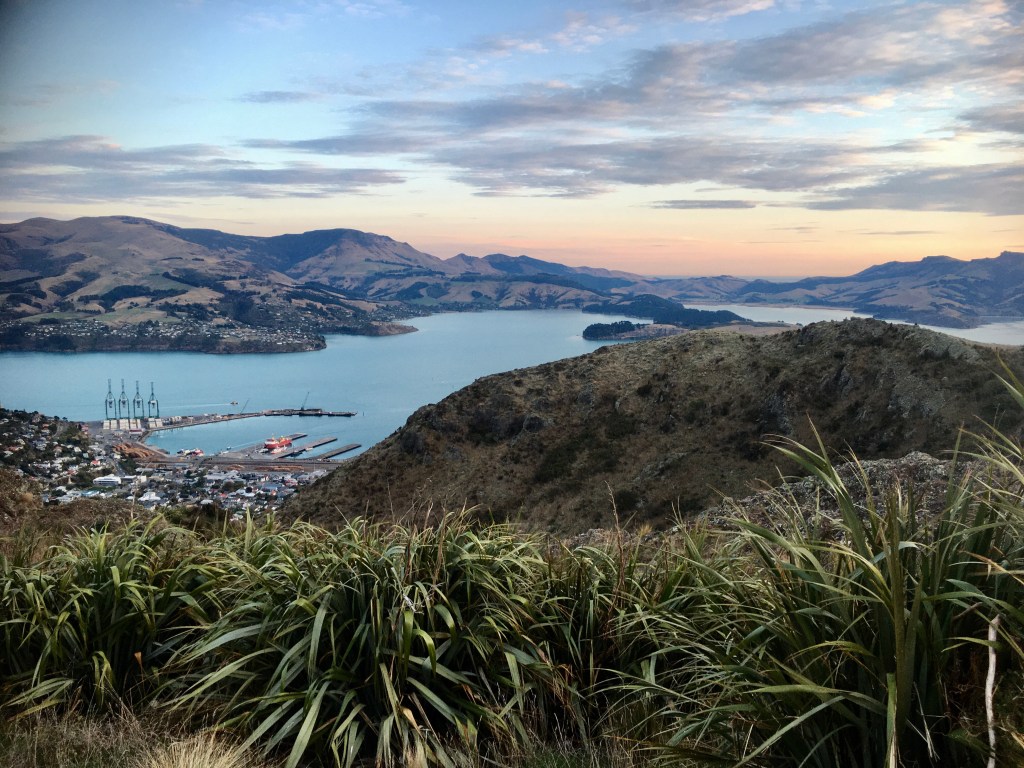
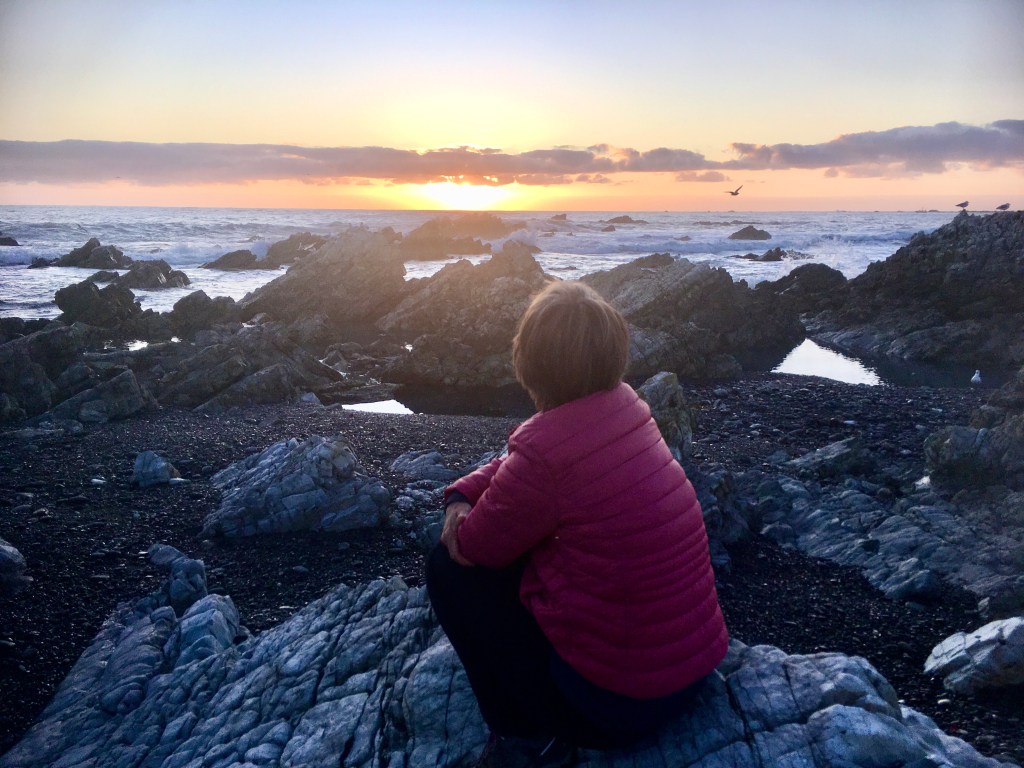
My last week in New Zealand has been amazing and credit goes to Martin and the Bower Avenue gang for helping that to happen. On Wednesday we did some gardening in the morning before a four hour walk called the Godley Head Loop. The walk took us along towering cliffs, overlooking Lyttelton Harbour, Purau Bay and Camp Bay. Fuelled up by a lunch of tofu, mushroom, veggies and rice (our resident French chef gets the credit) we bounded along enjoying the sunshine. The walk took us past WW2 battlements, store rooms and offices which Martin helped us to explore. On the way home we caught an amazing sunset, looking down over Christchurch with snow-capped mountains in the backdrop. With the evening cold creeping in, we headed home for homemade cider, beef stew and gluten free chocolate cake. Living the dream.
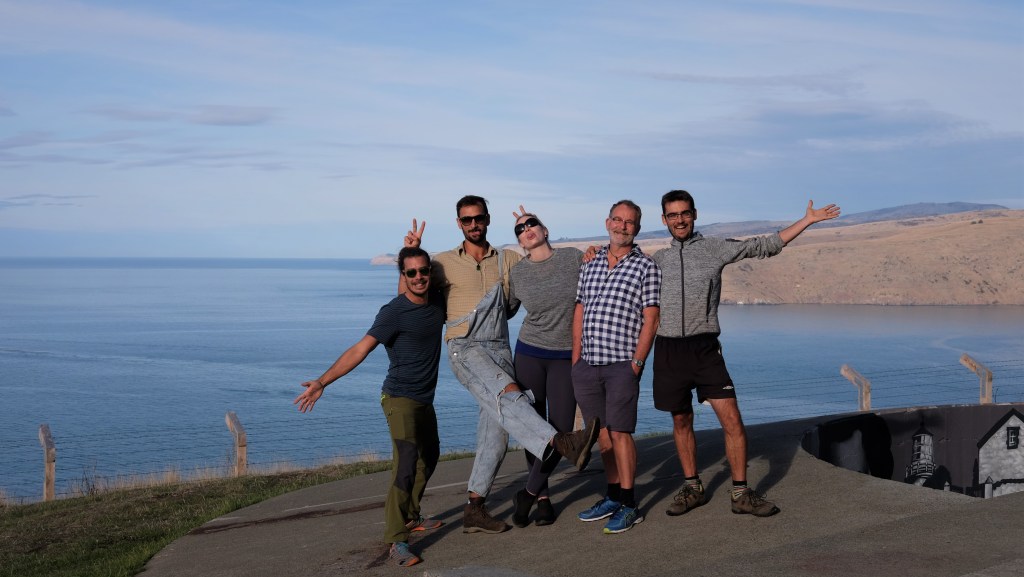
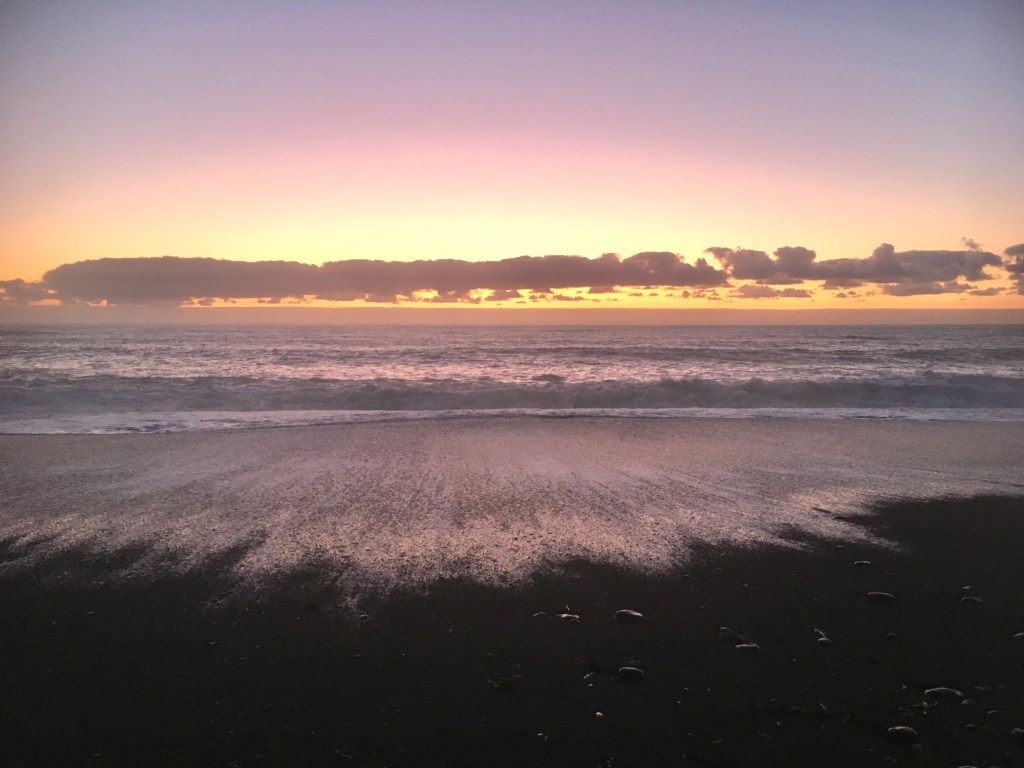
On Thursday I woke up early and jogged down to the beach to watch the sunrise. With the sea lapping against the golden sands, the mountains in the background and a few dogs playing on the beach, I felt truly content. New Zealand is one of the most beautiful countries that I’ve ever visited and even in the city, there is incredible nature right on the doorstep. I’ve made a promise to myself that I’ll be back (and probably sooner rather than later). After corn fritters and veggies for lunch we did a short road trip to Akaroa and Duvachelle, admiring their beautiful waterfronts and French influence. The drive took us up over the neighbouring mountains and the windy roads were stunning. On the way back we stopped off at Cass Peak scenic reserve for some pictures before catching the sunset over Christchurch. Life contentness pretty damn high right now!!
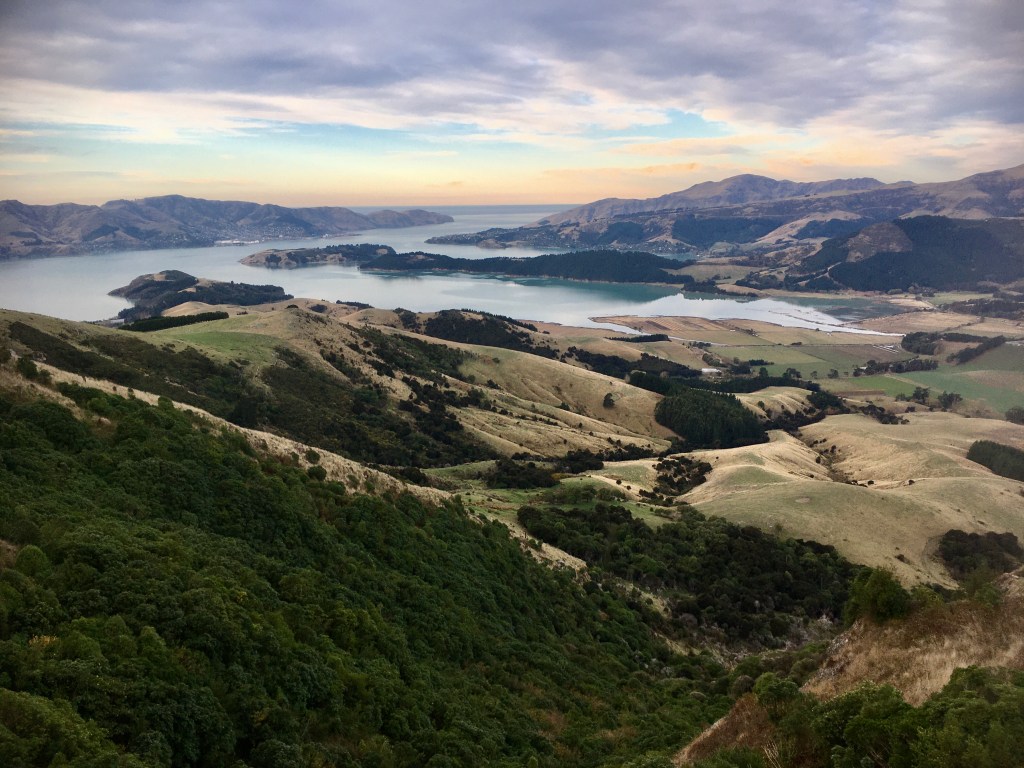
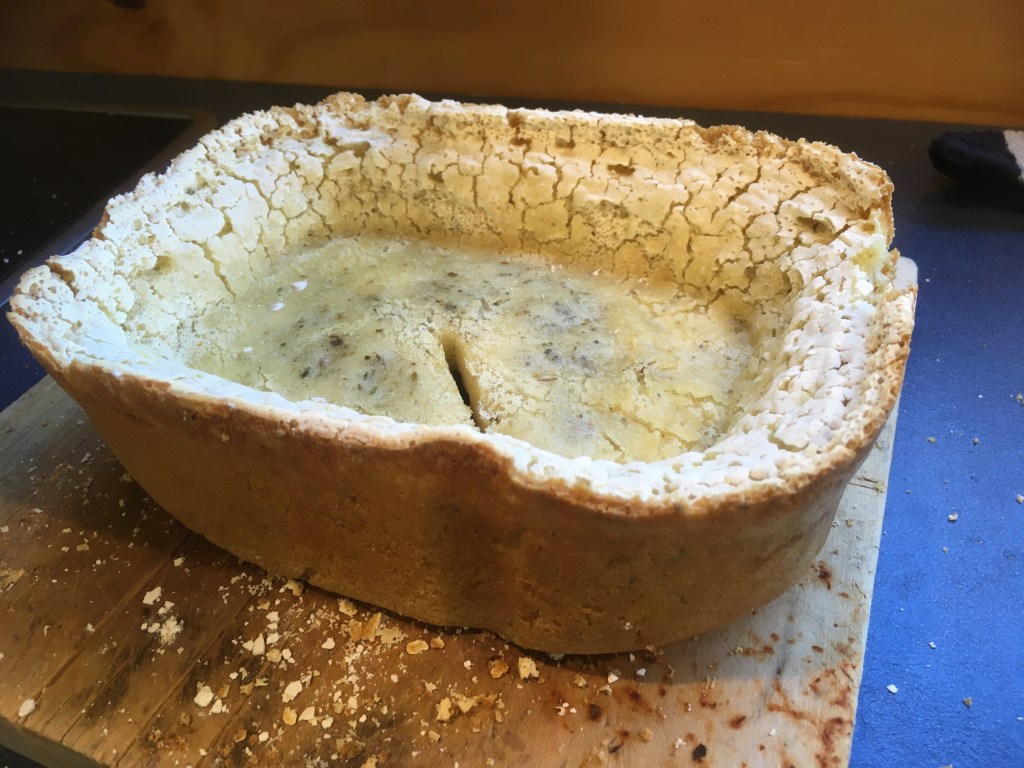
Friday morning was pretty relaxed. You can blame Thursday evening for that… another delicious dinner, wine and G&Ts. In the afternoon Martin and I went for a walk around the neighbourhood, as I wanted to make the most of the NZ freedom I have for the next few days. The days are definitely getting colder though, so after a few hours we returned for a coffee and chunk of Easter egg. Yum. The danish couple cooked up meatballs and pesto potato for dinner, which was then topped off with Martin’s gluten free lemon meringue pie. Probably one of the best things I’ve ever eaten…

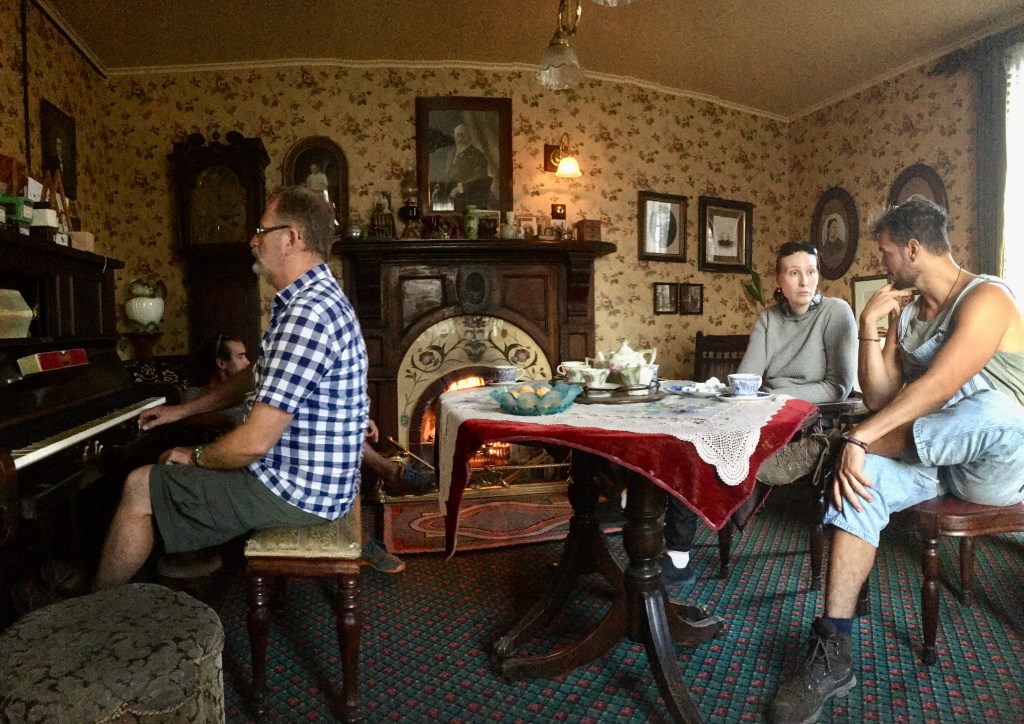
Saturday and the start of my final weekend in New Zealand. After another beach run we relaxed at the house, doing a few chores and reading by the fire. In the afternoon we went to Ferrymead Heritage Park, where Martin is a volunteer. We started by walking the Bridle path, which took us up a steep hill with great views over Christchurch. Then it was back to the park for tea and gluten free profiteroles in a Victorian style living room. We sat by the fire feeling dozy after the walk. Martin and I then had a look around the park, which has a great collection of trains, old fire engines as well as Victorian styled shops, gardens and railway stations. It was awesome and another great thing to have done in Christchurch. The evening was finished with another dinner cooked by our resident French chef. Can’t complain…

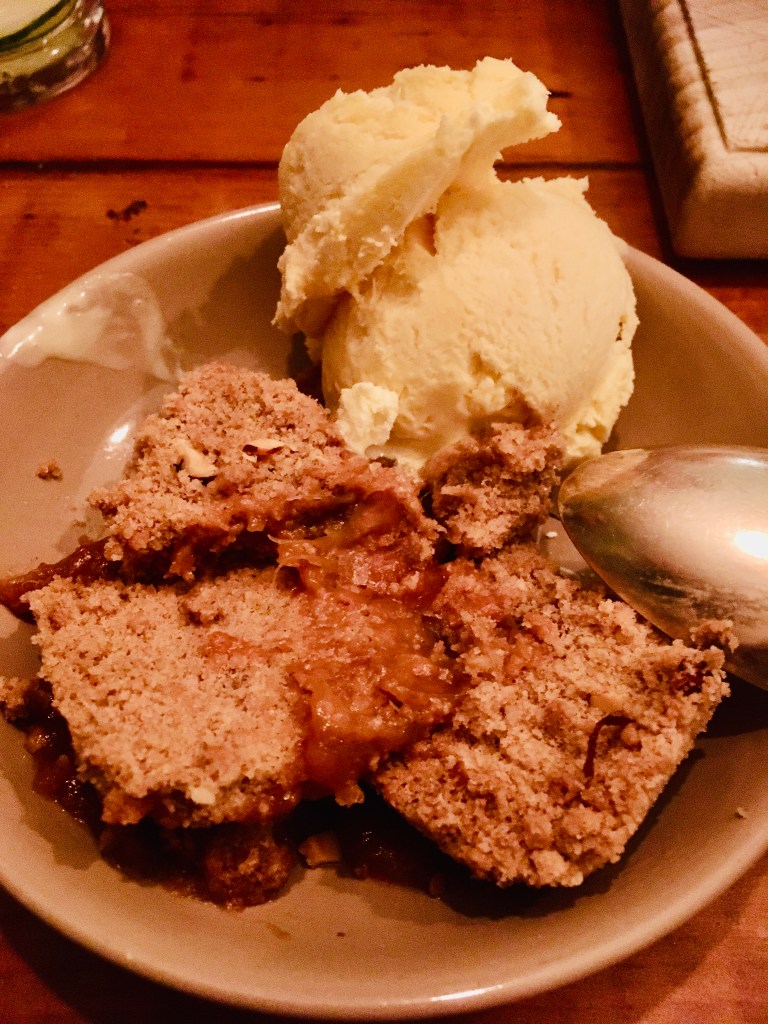
Sunday was Mother’s Day in NZ so we visited Martin’s mum and enjoyed the autumn sunshine. After a delicious mushroom and ham risotto for lunch, I set about on my contribution to dinner, a gluten free rhubarb and apple crumble. I have to say I impressed myself. All the culinary talent at Bower Avenue must be rubbing off on me! By Monday I was seriously starting to question why I was coming home. After a glorious sunrise beach run I chatted to mum for a while before preparing a left-overs lunch for the team. We did some gardening and relaxed around the house in the afternoon. Dinner was homemade burgers and pear simmered in a red wine sauce. In the evening I took my book to Martin’s outdoor (garden) bath and spent a lovely 30 mins reading and watching the stars, all completely starkers.

My last day in this beautiful country started with an AMAZING beach sunrise before leftover crumble for breakfast (because… why not?). Then I walked along the beach, listening to the waves lapping against the sand with the smell of fish and chips wafting tantalisingly towards me. I took a picnic and enjoyed lunch and the freedom that New Zealand can offer right now. Then it was back to base for one last delicious dinner with team Bower.
Tomorrow morning (the 13th) it is Martin’s birthday so we are going to have a birthday breakfast and some celebrations before I head off to the airport. I’ll be back in the UK on the 14th, exactly six months after setting off on the post-PhD adventure. 10 countries, 27 blog posts, 1,323 photos and a shed-load of memories. Now… I have 14 days of self-isolation ahead of me… I reckon planning my next adventure will be a productive use of that time? Watch this space…. I’ll be back 😀
I’m still here…

When walking with mum in St Arnaud, I introduced her to one of my favourite Disney tracks, ‘I’m still here’ from Treasure Planet (https://www.youtube.com/watch?v=EA68KUb4e7Q). It’s an absolute banger (in English or Spanish). It is also very fitting for my current situation…I’M STILL HERE.

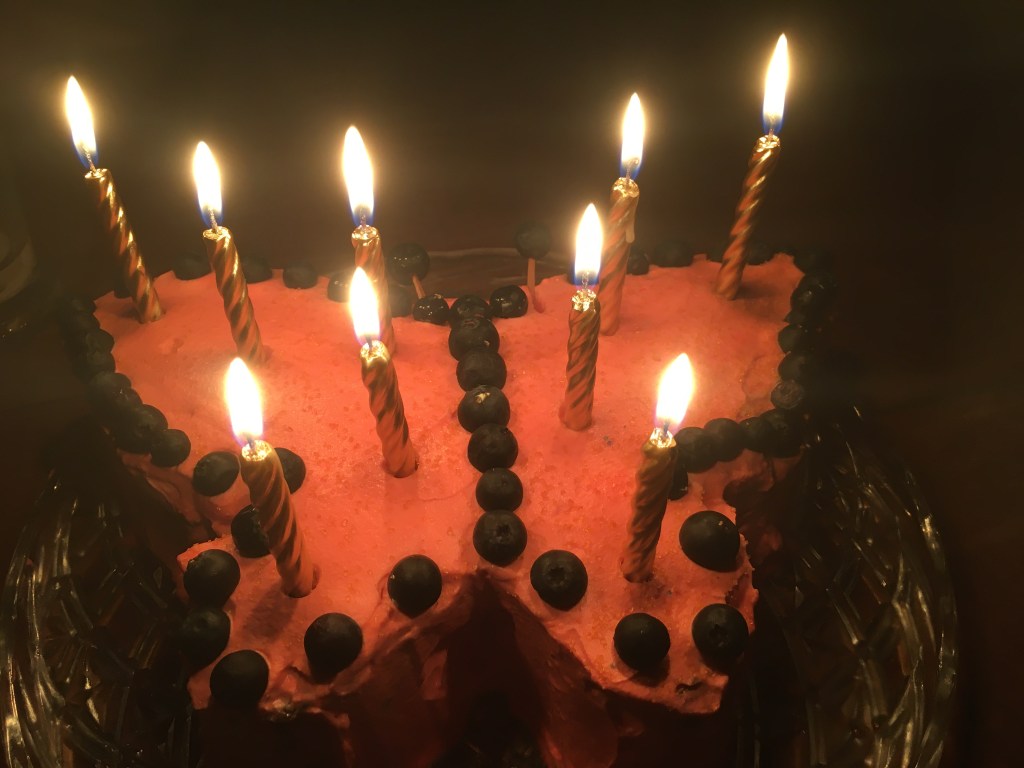
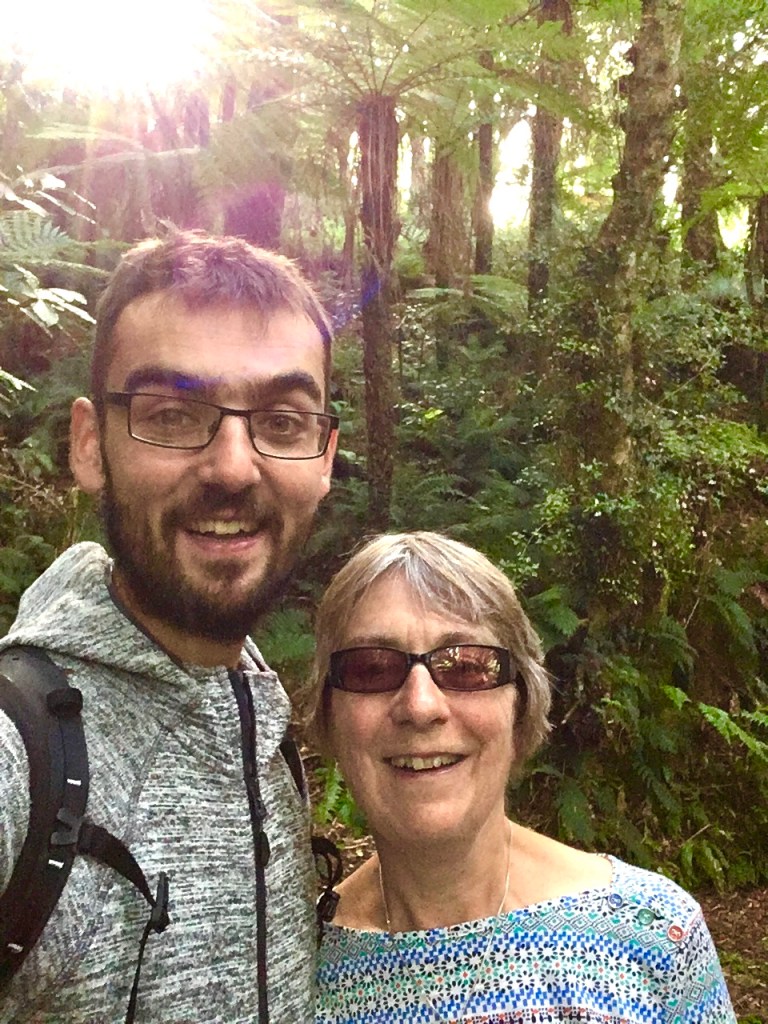
After increasingly struggling with a sense of isolation in Canvastown I am now in Christchurch, living with Martin, who is without a doubt one of the kindest people I have ever met. He has welcomed me to his house with open arms and has shared everything he has. My new friends also include a Frenchman, who has cycled from France to New Zealand over the last 2 years, and a young Danish couple. I arrived on Sunday and that evening we celebrated my birthday again with a second cake (see below), a huge dinner, drinks and lots of laughs. It was so refreshing and was EXACTLY what the doctor ordered (well except for the cake maybe…).

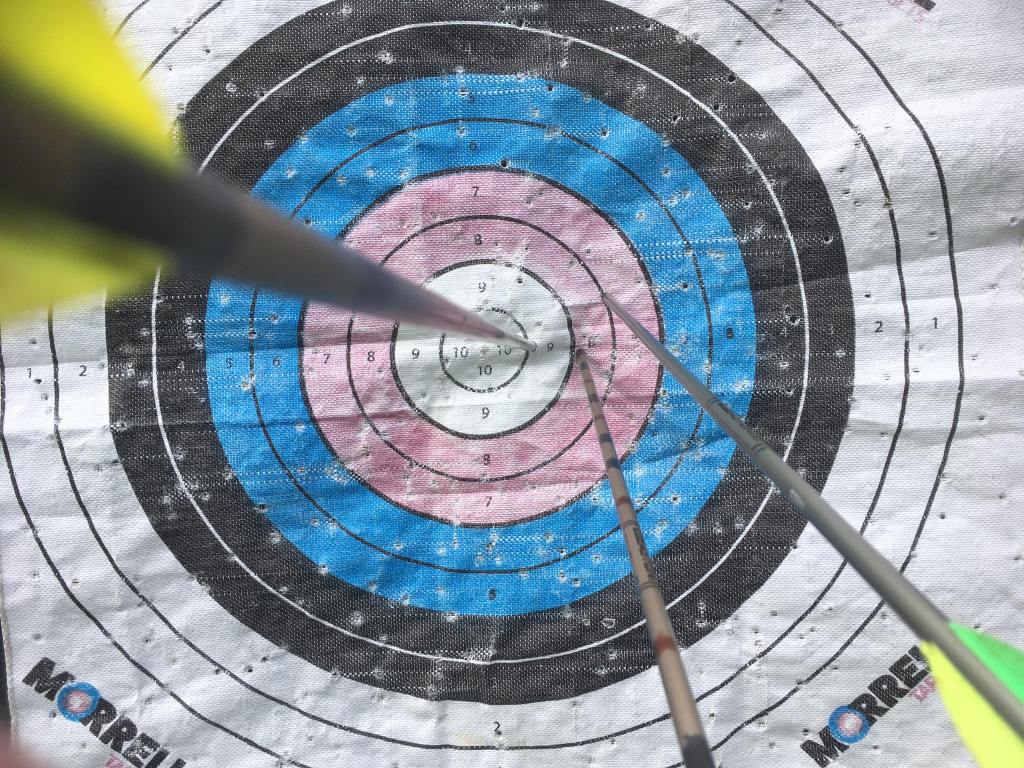
Backtracking slightly, my final weeks in Canvastown had some special moments. I made some solid progress with archery (I am thinking of continuing with this when I get home), upped my chess game, did some serious thinking about the future, developed a fascination for Kauri gum and walked a lot. The valley was a beautiful place to live and I was blessed with pretty incredible weather nearly the whole time. Even on rainy days the valley was gloomy, mysterious and atmospheric. I also had one of the weirdest and most memorable birthdays in New Zealand. After an early morning run, we had pancakes for breakfast, before a walk, drinks and cake. It was a lovely day and David and Sarah helped make that happen. However, after many weeks I increasingly felt the need for a change and especially more human contact.

Martin’s household has provided that, and then some. After a wonderful welcome party (Sunday) we have done gardening, walks to the beach and eaten like absolute champions. We share two meals together every day and I have been treated to some beautiful dishes. In particular my new French friend is a keen chef and has made cakes, soups, risottos and roasts. Tonight is my turn, so I’m aiming for potato skins and home-made coleslaw (the bar has been set incredibly high by the others so I hope not to disappoint). I feel completely re-energised and ready to grasp whatever the future holds. At this stage, I still haven’t got a clue. But then again… who does? All I can say with certainty is things are well and truly on the up.

A super(moon) view

Another special addition blog post for you…

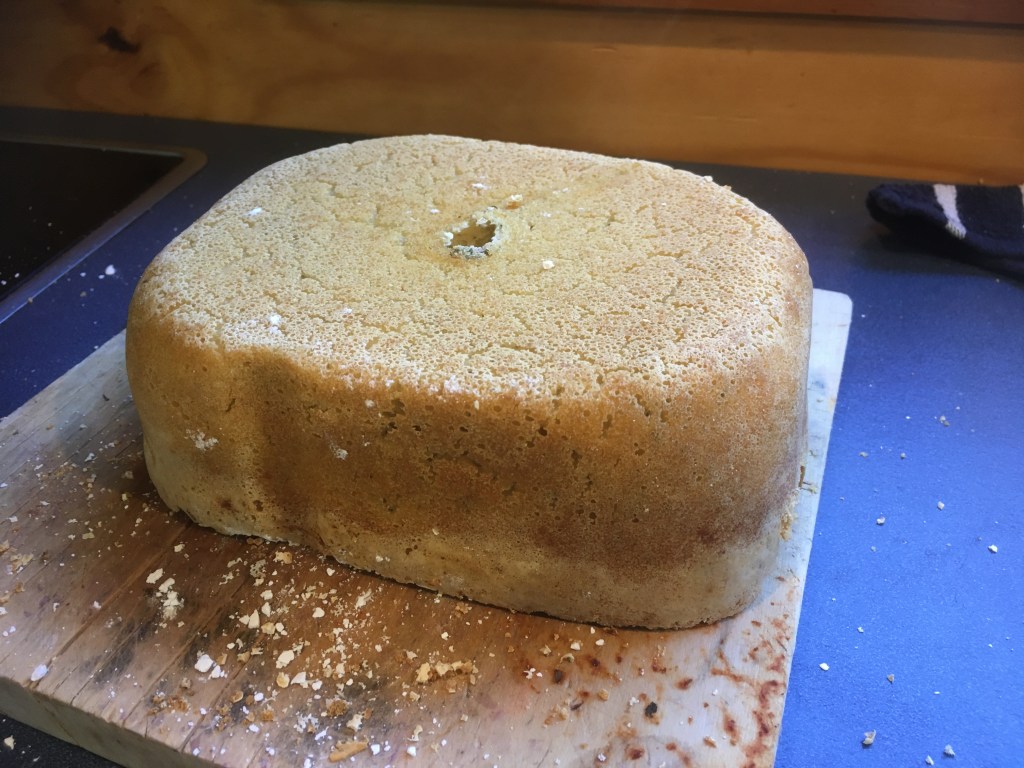
I have slipped into a regular routine here in the outbacks of New Zealand, so don’t have too many grand adventures to report on. We celebrated 2-weeks of lockdown last Wednesday with a few drinks, nachos and a movie and the virus situation here seems (touch wood) relatively under control. My plan to become a chess master isn’t happening (thanks for killing morale Tom) and today I failed (in style) to make a loaf of gluten free bread, so perhaps a career as a baker is also off the cards… However, I am still on the way to becoming the next Robin Hood, have discovered a passion for Kauri gum, froze my nuts swimming in the river, am giving the future some thought and have become an avid admirer of the night sky. It is that last point that has given me some writing inspiration…

Just a few nights ago we witnessed the remarkable pink supermoon. First of all, what a great name! Apart from the fact that the moon was in no way pink… Anyway, let’s start at the beginning.

How was the moon formed? The most widely accepted theory (there are a few) is the giant impact hypothesis, which states that the moon formed when an object smashed into Earth in its very early days. The Earth was formed from the leftover cloud of dust and gas orbiting the young sun. The early solar system was a crazy time to be alive, with huge collisions including a Mars-sized body that collided with Earth (known as Theia) which threw chunks of the young planets crust into space. Mixed with a healthy dose of gravity and Voilà… we have a moon. This theory also explains why the moon is made up predominantly of lighter elements, (making it less dense than Earth) as the material that formed it came from the Earth’s crust instead of its core. Our moon is the biggest in the solar system in relation to its host planet and moderates the wobble Earth has on its axis, giving us a more stable climate and amongst other things, our tides. So in essence…we really like the moon…

What is a supermoon? This is a full moon that occurs when the moon is within 90 % of its closest approach to Earth (the moon doesn’t orbit the earth in a perfect circle, but rather in an elliptical path as it’s affected by the sun’s gravity). This is still a mind-boggling 225,000 miles away, but compared to its further point of ~250,000 miles away, this can make all the difference. A supermoon can appear up to ~15 % larger and ~30 % brighter than a full moon at its furthest point from Earth, and ~7 % larger and ~15% brighter than a ‘regular’ full moon. A few times a year, the sun, moon and Earth line up just right, so that a perigee (when the moon is at its closest point to earth) coincides with the most picturesque moon phases: 1) the new moon (when the orb is just a sliver) or 2) the full moon. This year will have up to four supermoons, with the next one occurring on the 7th of May.

Why was it pink? For those of you who saw the great moon, you would have noticed it was not pink… in fact it looked like the moon. Big and bright…but definitely moon-like…The name is actually specific to April’s full moon and is associated with the appearance of moss pink (one of the first spring flowers). The full list of moon names includes January’s wolf moon and June’s strawberry moon and come from Native American tribes, Colonial Americans, or traditional North American names passed down through generations (listed in the Old Farmer’s Almanac). I have to admit I was slightly disappointed when I went outside and didn’t see a big pink marshmallow in the sky.

Why do I even care? Finally, we come to the burning question. Why have I bothered to read the last two paragraphs of text? Well, the effect of the moon at its closest versus furthest point from Earth is actually extremely minimal. When it comes to gravity, for example, the effect of a full moon at perigee (the close point) is only ~110 milligrams greater than at apogee (the furthest point). That is approximately the mass of 1/9th of a paper clip. In my eyes this gives another perspective of the vast distances we are talking about when it comes to space. The moon can be 25,000 miles closer to us (more than twice the distance from the UK to New Zealand) and yet this distance still makes such a small gravitational difference. The more I learn about space the more interested I have become. It truly blows my mind. Instead, the real reason you might care (and the reason I did) was because it was beautiful. We had a gloriously clear night for moon-gazing and the light emitted was enough to illuminate the valley. Another treat coming up (mid-April) is the grouping of Jupiter, Saturn, Mars and the moon in what should be a beautiful and bright alignment. This might be one I have to set a middle-of-the-night alarm for…

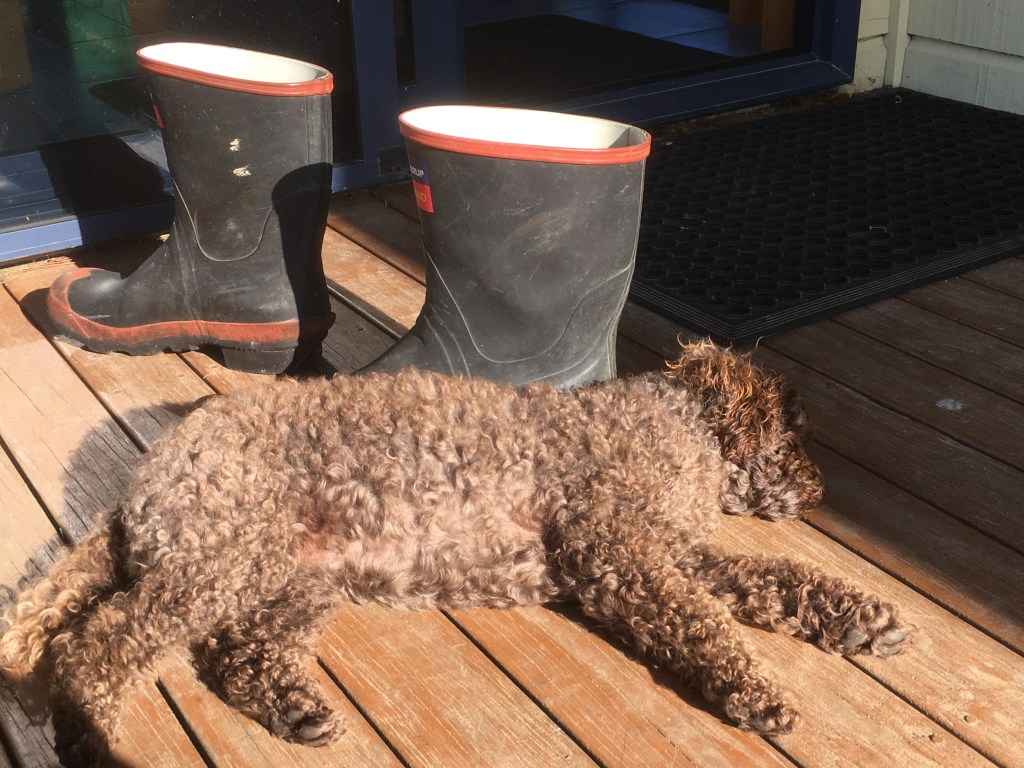
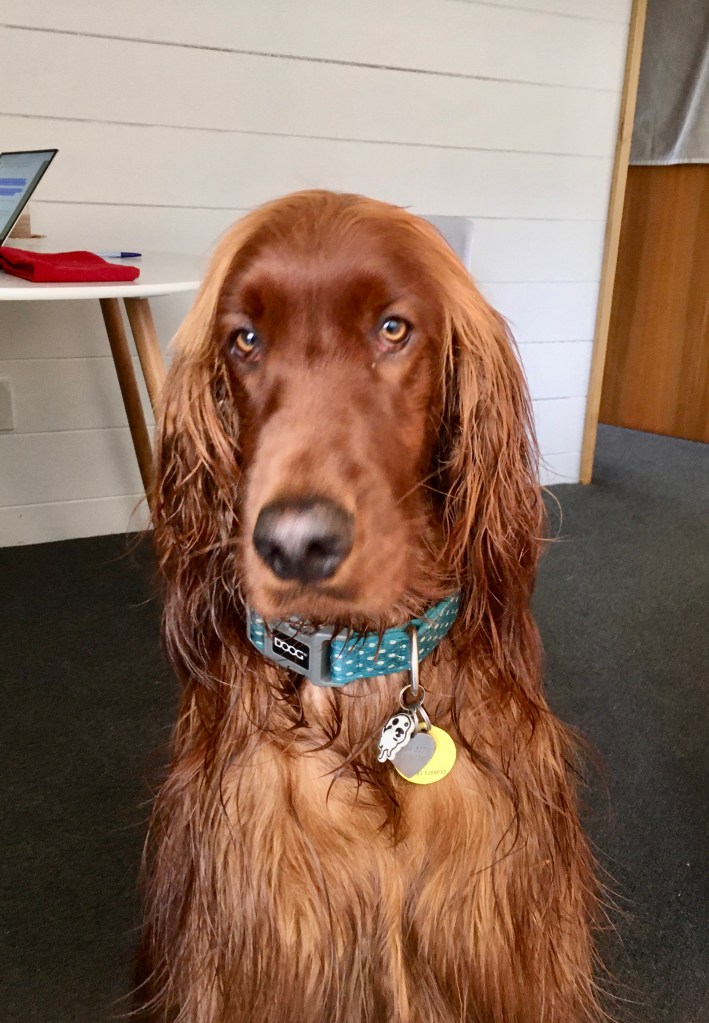
Anyway, that’s enough moon fun for now. I am off for a self-isolation doze in the sun with my new friend (see below)… but I will leave you with my favourite moon joke.

I suspect the moon wasn’t very hungry last night… why? Well, it looked pretty…

The Martian

Hands up who’s watched the film or read the book called The Martian (the one with Matt Damon). If you haven’t I’d definitely recommend it and if you have, well it’s very relatable for me right now… Ok, well perhaps there are some slight differences. He was stuck on his own on Mars for many months, struggling to communicate with Earth, desperately trying to grow enough food just to survive (even with his poo potatoes), frequently being blown up and generally having a pretty bad time. My life certainly isn’t that bad (well at least for the moment) and luckily the WiFi signal here is a bit better than on Mars. However, there are also some similarities between the Martian and my current state of existence…

I’ve now had a full week with my hosts (David & Sarah) in lockdown. Just like Matt (Damon), the beard is as wild as ever, we are living in the middle of nowhere (it’s way harder to find people than to avoid them) and my days are filled with… well… wherever random activity I choose… I still can’t believe how the last few weeks have developed (I bet Matt felt the same way on Mars at times) but I’m determined to embrace my new life in the outback as Kiwi Rob.

Given this rather rapid change, the blog will have to take a slightly different tone for the time being. No more hostels, day trips, city stops or different views. Just like Matt, I’m stuck in my bubble (him literally and me figuratively) for the time being.

So, I bet you’re all now desperate to know…. just what is a normal day for Kiwi Rob? Well the start of the day is always tinged with sadness. For the last four months in Asia, I’ve been counting on getting (and sometimes dreaming about) gluten free oats in New Zealand. Yes porridge is my life. They have gluten free muesli, gluten free bread, gluten free pasta, gluten free flour and gluten free just about anything… but porridge oats… it appears not (sort it out New Zealand)!! Alas, after scoffing down some muesli I’m quickly thankful that my diet doesn’t consist of poo potato. Then it’s a walk or a run (sometimes with a dog) and a bit of life admin before settling down to one of my new hobbies. So far this list includes learning about and visiting glow worms (for those people unfortunate enough to have read the last blog you’ll know about this), jigsaw puzzles (I even surprised myself with that one), chess, archery and watching New Zealand films. A future project is fixing a huge telescope for epic star gazing fun (another link to the Martian). Just like Matt Damon I have some low moments and at times feel isolated on the other side of the world, but then perspective always kicks in and I remember just how lucky I am. I’m not stuck on a different planet (although I’m sure David and Sarah will be looking into this option very soon) and every day I can escape into the outback and talk to my awesome friends and family. The day is normally finished feeling positive, except for when I start craving my favorite dessert.. yep you guessed it… pudding porridge…

So for the time being, I’m far away from home but I’m happy and have not been blown up. That being said, we are currently brewing our own alcohol so who knows how long long the ‘not blown up’ part is going to last? In between my New Zealand bubble moments I’m REALLY missing everyone at home, so keep safe and keep smiling and if you ever feel a strange desire to talk to an increasingly crazy English man, please do pick up that phone.

End of transmission.

p.s. I know literally nobody cares but I’ve been doing some reading on archery. So here are Rob(in)’s (get what I did there?) top tips:

  1. Your legs should be spaced equally with your shoulders and your feet should be at a 90-degree angle from the target. Your back should be rigid and upright, your waist should not lean or twist and your knees should never bend. 
  2. All arrows have fletchings and one will be a different colour. This is to help you position your arrow as you want the fletching with the single colour as close to you as possible. 
  3. To anchor your bowstring, you want to draw it back towards your nose, keeping the string at a slight angle so that it goes diagonally towards your mouth (this was awkward at first). When it comes to anchor points having the index finger beneath the chin is common, but the key is to be consistent.
  4. Hold the bow in a relaxed manner and don’t grip too tightly…(I am struggling with this)
  5. Focus and concentration are paramount, pick your spot, aim and hold concentration. Take a deep breath and let it out slowly prior to releasing the string. However, a bit like a muscle biopsy (the guys in Bath will know) it is harder to relax your muscles if you’re overthinking.
  6. At the heart of it, mastery is practice. In the regard, I have started to make a log of how many arrows I shoot each day, the weather conditions and any changes I made.

Gandalf the Grey

25th March – onwards (Canvastown)

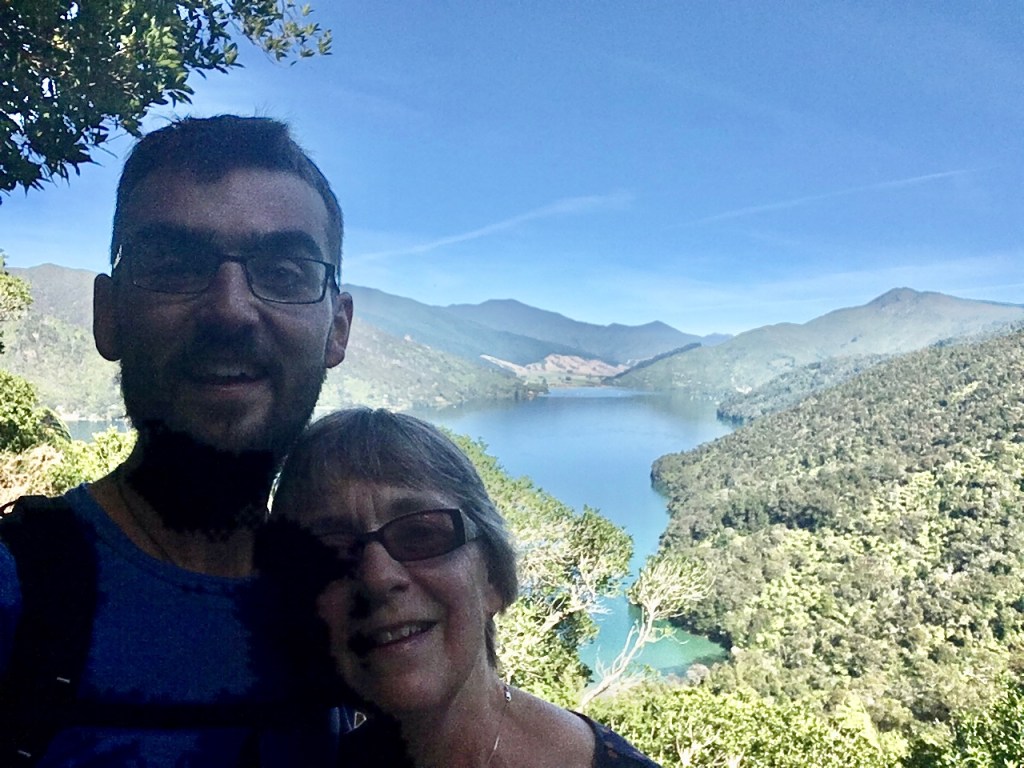
Wednesday 25th March. It was our last day of any freedom before stricter measures are implicated across New Zealand. We made the most of it, walking the Queen Charlotte Track from Anakiwa to Mistletoe Bay and back (~ 20 km). We were social distancing, but that was not hard with the whole track deserted. The consequence was an extremely peaceful walk… except for… yep you guessed it… non-stop talking from Mum. The highlight (excluding my cheese and tomato sandwich) was the Grove Arm Viewpoint, which had stunning views down the valley. The blue of the water was beautiful and the whole shot reminded me strongly of Norway. We’ve also been so lucky with the weather and it was another glorious day. The walks had some ups and downs (both literally and figuratively) and it was strange thinking this country will now be my home for the foreseeable future. The evening was magical. A new couple arrived who were stranded (trying to get to the north island) and we shared a drink and some stories, before dinner, glow worms and a stunning night sky. A fitting final evening for the dream team.

The rollercoaster continues. After an early morning walk to make the most of the New Zealand air, we dropped mum at the airport in Blenheim, did a big supermarket shop and I embarked on the next chapter of my life as Kiwi Rob. The last 10 days have contained some of the best moments of my life and it wouldn’t have been possible without the company of mum. Not every boy can say that… The future is as uncertain as ever but the memories of this week will last a lifetime. With unprecedented levels of stress ‘Gandalf the Grey’ would be an equally appropriate new nickname, especially as the beard is in drastic need of a trim…
I have also set up a charity fundraising page… it has been something I have wanted to do for a while and reflects some of the experiences I had in Cambodia:
https://www.justgiving.com/fundraising/stay-home-and-smile

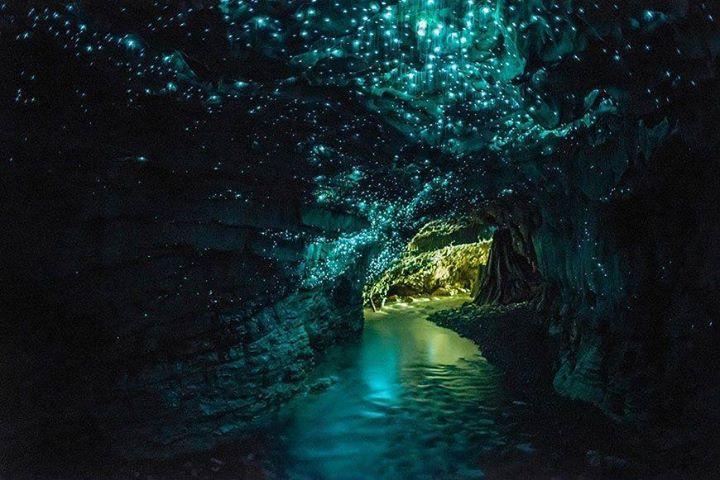
This afternoon I decided to become an expert in glow worms. There is a grotto at the bottom of the garden and hey… I have the time… so why not?

Here are my top 5 glow-worm fun facts:

  1. Glow-worms are the larva of a fly known as a fungus gnat. They are carnivores and use a glowing light to attract insects (mostly flying insects) into sticky threads which is sort of like a spider web, as they sense vibrations from their prey. The brighter the light shines…the hungrier the glow-worm is… When the thread has been pulled up the glow-worm bites the insect and kills it, then either sucks out the juices or eats the entire body. GRIM…
  • The glow-worm’s blue-green tail-light shines from an organ which is the equivalent of a human kidney. The chemical reaction that produces the light consumes a lot of oxygen which is provided by an airbag surrounding the light organ. It’s cool science.
  • They live in damp dark places, like the riverside grotto at the bottom of my garden and their lights resembles a star-filled night sky. It’s fairly magical. The Māori call them Titiwai, which refers to lights reflected in water.
  • Adult glow-worm flies are never caught in the snares as they are not attracted to the light, and even if they brush against the sticky threads they are strong enough to pull free…
  • The entire cycle takes 10-11 months, consisting of the egg (3 weeks), larva (6-9 months), pupae (2 weeks) and adult stages (2-3 days). The only stage they can eat is the larva stage (the glowy part) and as adults they simply mate and lay eggs… It’s a strange life…

Keep calm and carry on (for now)

20th March – 22nd March (Abel Tasman National Park)

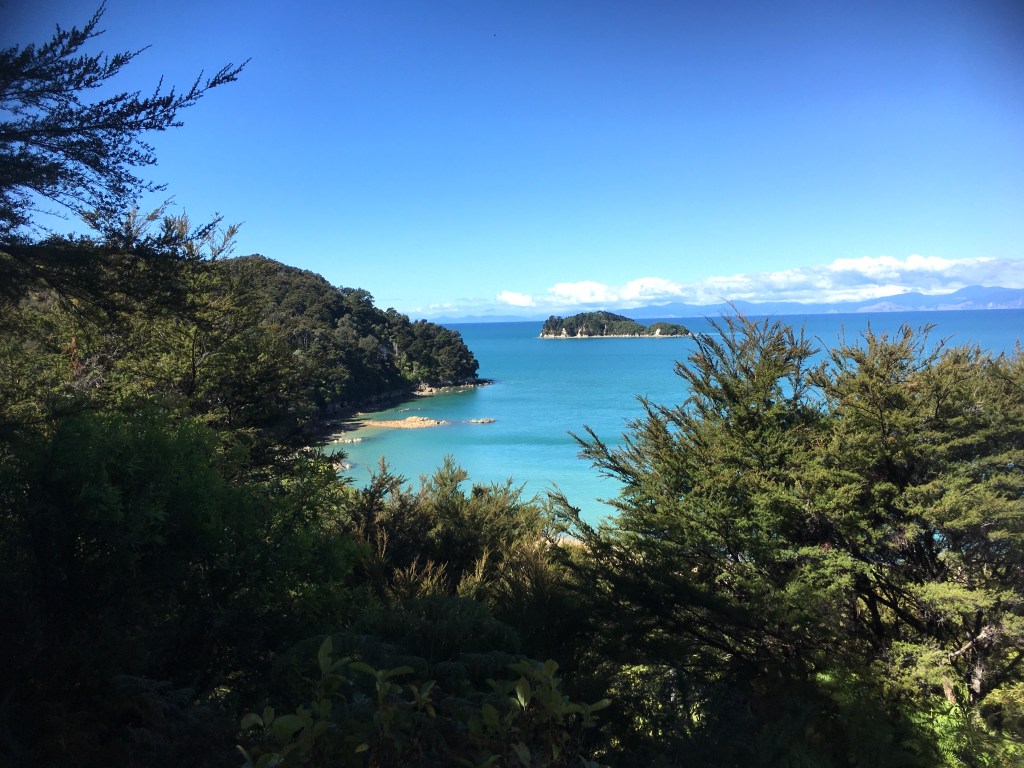
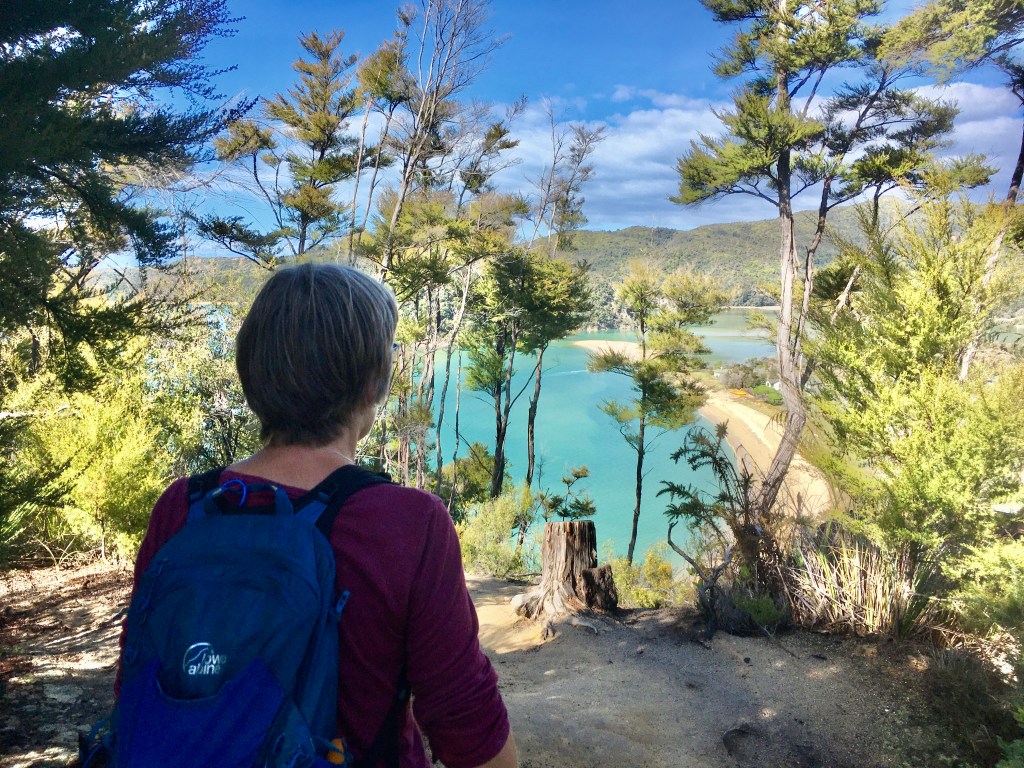
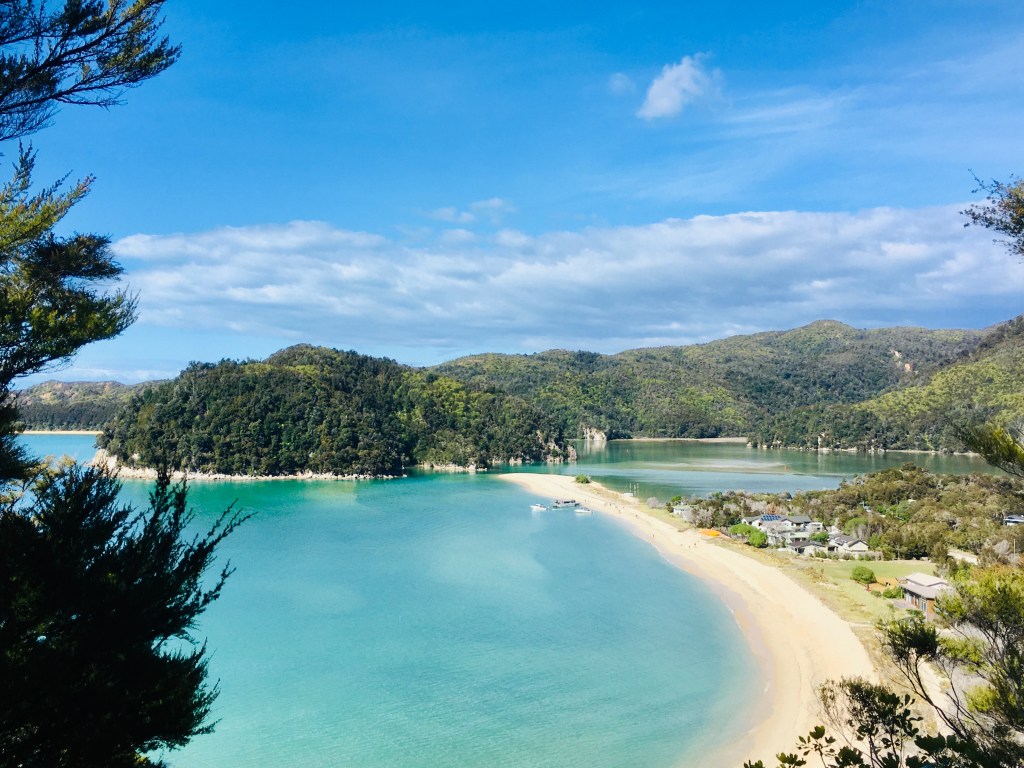
After a final night in Airbnb heaven we started the onwards journey. We stopped in Nelson for supermarket provisions (there is no clear stockpiling in NZ yet) before moving on to Marahau and Abel Tasman National Park. After some Coronavirus related changes to our accommodation (no problems but just cautious hosts) we checked into a new campsite and set on to explore the Abel Tasman Coastal Track. It was incredible. I mean truly incredible. We walked from Marahau to Apple Tree Bay and back (~ 5 km each way) stopping also at Tinline Bay. The walking was some of the best I have done in my entire life, with golden sands and crystal blue seas below us, forest all around us (with cute little Weka birds) and the wind whipping through the trees. Amid all the chaos I can’t imagine a better place to be. Dinner in our cabin (fruit and yoghurt) was top notch. Another wonderful day in Paradise.

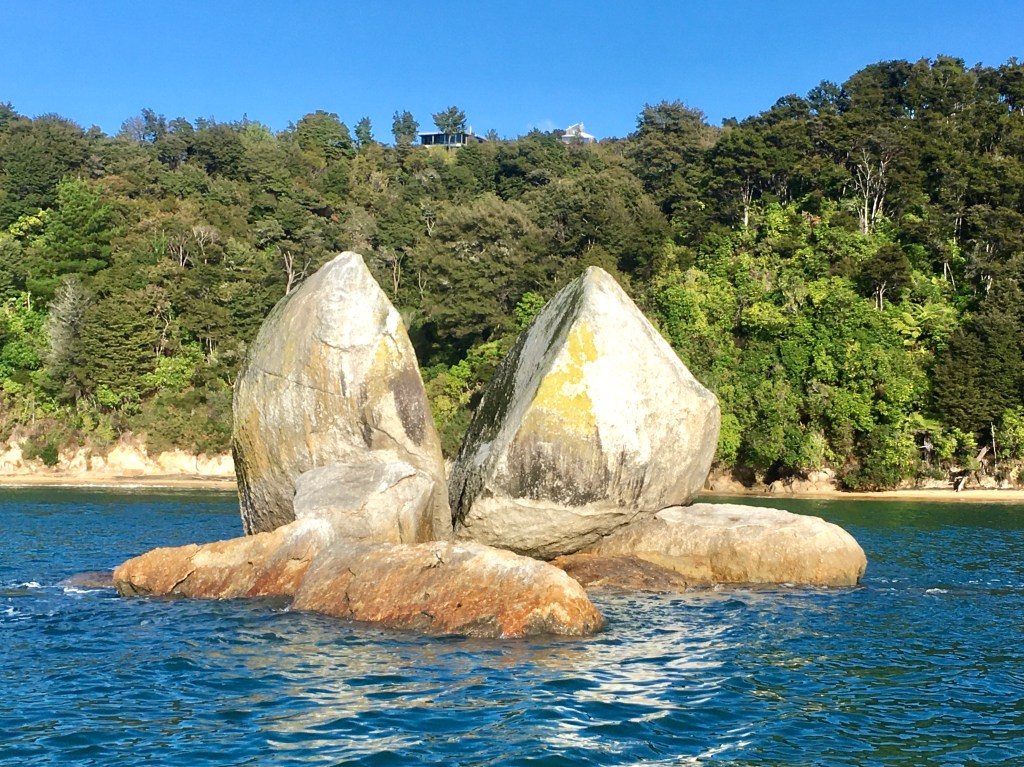
With the weather more overcast on our second day we postponed our walking and visited Split Apple Rock (it’s a rock that looks like a split apple unsurprisingly) before driving down the coast to Kaiteriteri. At first glance we were a bit disappointed, as we were now used to tiny hidden coves and this beach was (ever so slightly) more touristy. However we quickly changed our minds and as we walked on the golden sands listening to the sea and feeling the waves lap against our feet, I was very peaceful. In the afternoon we had a much needed coffee before the rain hit. The gloomy skies were a bit more fitting for the current situation. We spent the afternoon discussing how to play our next moves. To be honest, we don’t have a clue…

Amid all the chaos we are keeping some degree of normality. On our last day in Abel Tasman, we woke to a beautiful sunrise before taking a water taxi to Bark Bay. En route our guide showed us Split Apple Rock again (nice to see it from the sea) and then a seal colony. Rather hilariously the males and females have separate islands. As our guide put it ‘the males have their own pad with sky TV and lots of beer and just come here for a good time in October/November before heading back home’. The views of the park from the boat were also incredible. As we expected the walk back to Marahau was magical. I’ve said it before, but the park has been some of the best hiking I’ve done in my entire life. All of my senses felt heightened, with fresh forest smells and noise (aside from mum constantly talking), golden bay views and sparkling blue seas. After just over 20 km we arrived back, tired but fully satisfied from our day. An evening was spent in a nice little Airbnb with a mother’s day dinner of jacket potato with cheese and beans (although 100 % world chaos levels). We are now fighting to keep any degree of normality. The easiest way I can describe it is that we are living our days in a wonderful bubble and our evenings in a state of confusion.

23rd March – 24th March (Saint Arnaud)

We spent the following morning in a small town called Motueka trying to assess our options for getting back to the UK. Our host recommended us a travel agent called Jeremy who was absolutely world class (I thanked him with a chocolate bunny). After picking up some groceries and now with some idea of a travel plan (amid an ever changing situation) we set off for Saint Arnaud. I’m struggling to make some big life decisions at the moment and Jeremy was a star. We then explored Saint Arnaud and Lake Rotoiti. We first visited a small church that was probably one of the most scenic I have ever seen. With stunning lake views it would be a wonderful place to worship. The lake and surrounding forest was once home to a number of species indigenous to New Zealand, although many have since been lost due to the activities of the Maori (e.g. hunting) and European immigrants. Now (thanks to conservation work which includes pest control) it has a rich diversity including species such as the kaka, parakeets and giant weta. Our home for the night was also incredible, it reminded me strongly of cabins we stayed in as children at Centre Parks.

Who knows what tomorrow will bring? Or even the days and months after that… I feel completely lost at the moment, but at the same time I have never felt more at home. A few main thoughts to leave you on:

  1. When it hits the fan, the best place to be is in nature. New Zealand is perfect for that.
  2. The people here are insanely kind and welcoming. I have been offered long and short-term accommodation from people who hardly know me. It’s been touching to see this caring and kind side of human nature amidst all the craziness.
  3. It’s great to sing. I can’t sing (ask anyone who knows me) but it helps. Disney is a good starting point.
  4. Cherish the special moments. Who knows what tomorrow will bring?

In all reality I can’t see many more blog posts for a while after this one. I hope everyone at home is keeping safe and sound. Remember to do the right thing and look after those you love. Cherish the special moments in life because it’s alarming just how quickly things can change.

A New (Zealand) start

15th March – 17th March (Christchurch)

Life is most certainly a rollercoaster (credit to Ronan Keating for that one). After a bit of a scare getting into New Zealand due to the Coronavirus, I flew into Auckland and then Christchurch. After a short wait (filled by bananas and rice cakes) a special someone arrived on the train. It was amazing to see mum after four months and although the evening was low key (a rather sleepless night was had previously) we knew the next weeks would be memorable for us both.

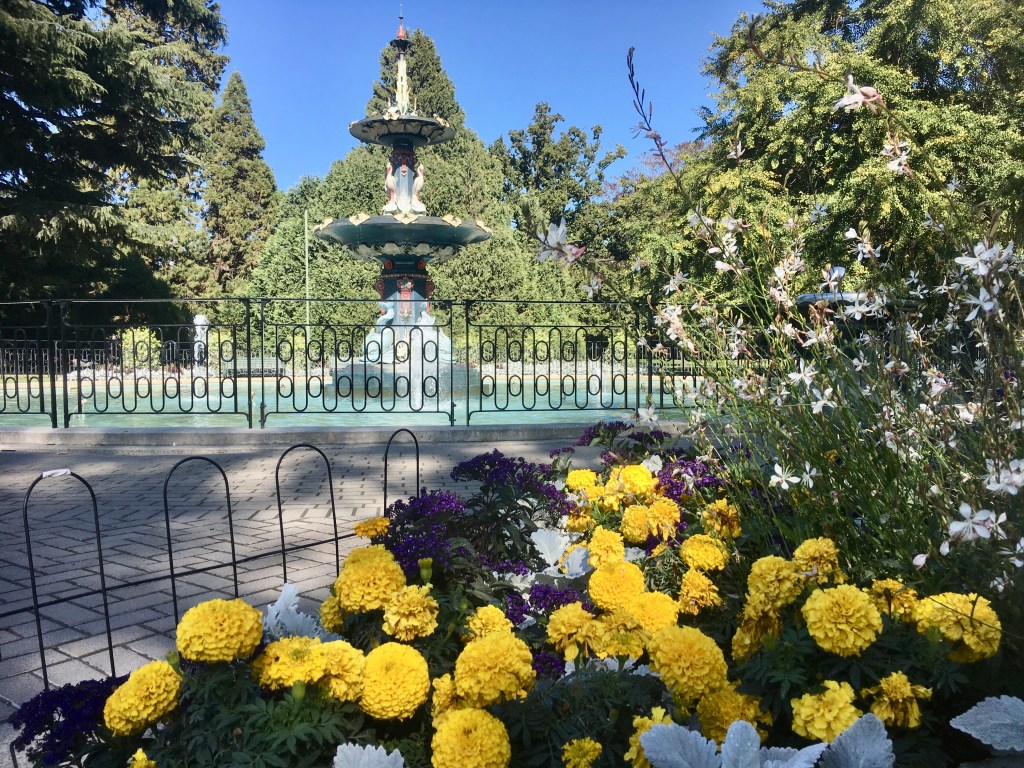
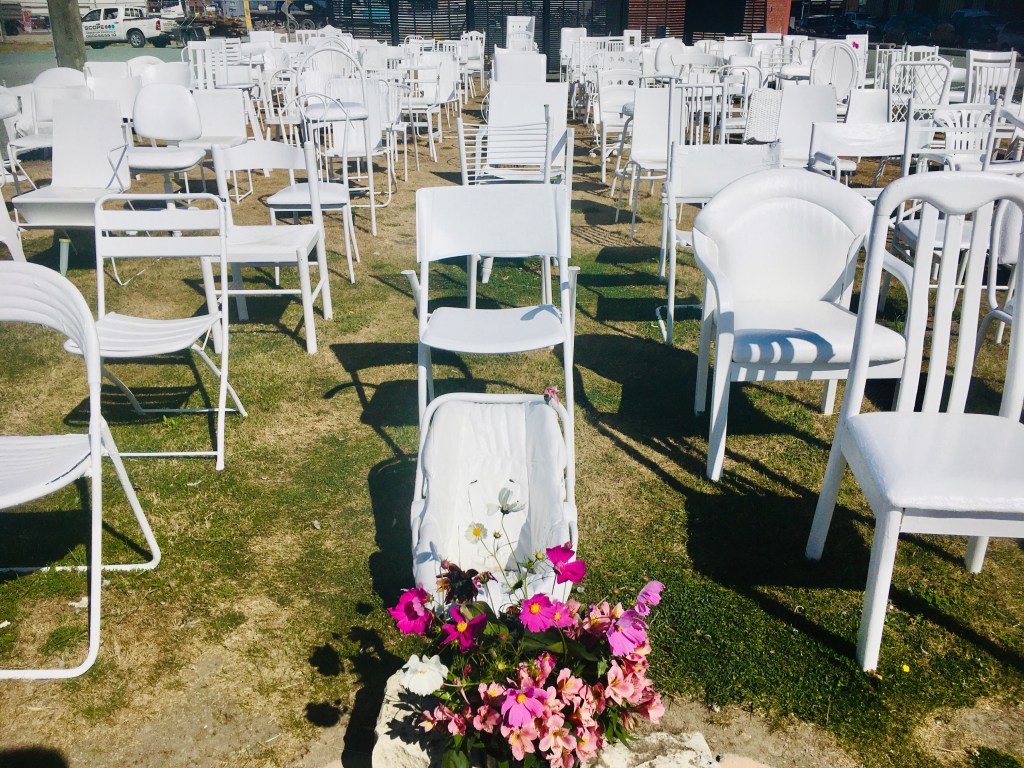
I woke to a glorious New Zealand day. The sun was shining and with shops filled with gluten free food, we had a very late breakfast of yoghurt, bananas, honey and muesli. We had a lot to talk about and the Botanical Gardens were a beautiful setting for that to happen. We also stumbled across the Canterbury museum. With exhibitions about a range of things related to New Zealand, we learnt first about the first settlers (the tangata whenua or people of the land) who arrived 800 years ago. From their hunting habits, to culture and their weapons, the museum had it all. Other exhibitions covered more recent history and with free admission this is a must visit for anyone in Christchurch. In the afternoon we explored the new city, rebuilt since the earthquake of the 22nd February 2011. We also visited a temporary art installation for the 185 people who died during the earthquake. One empty chair for each person (all shapes and sizes, reflecting the person it is meant to represent) it was a moving tribute.

‘It is better to have this pain, than to have done without this love’.

Across the street the transitional Cathedral was beautiful. It was open, light and simplistic and in many ways how every church should be. The city library was similar, reminding me strongly of one in Helsinki (if my memory serves me correctly). Then we had probably the best chips I’ve ever eaten, rosemary and sea salt and very chunky. An afternoon walk around some lakes capped the day.

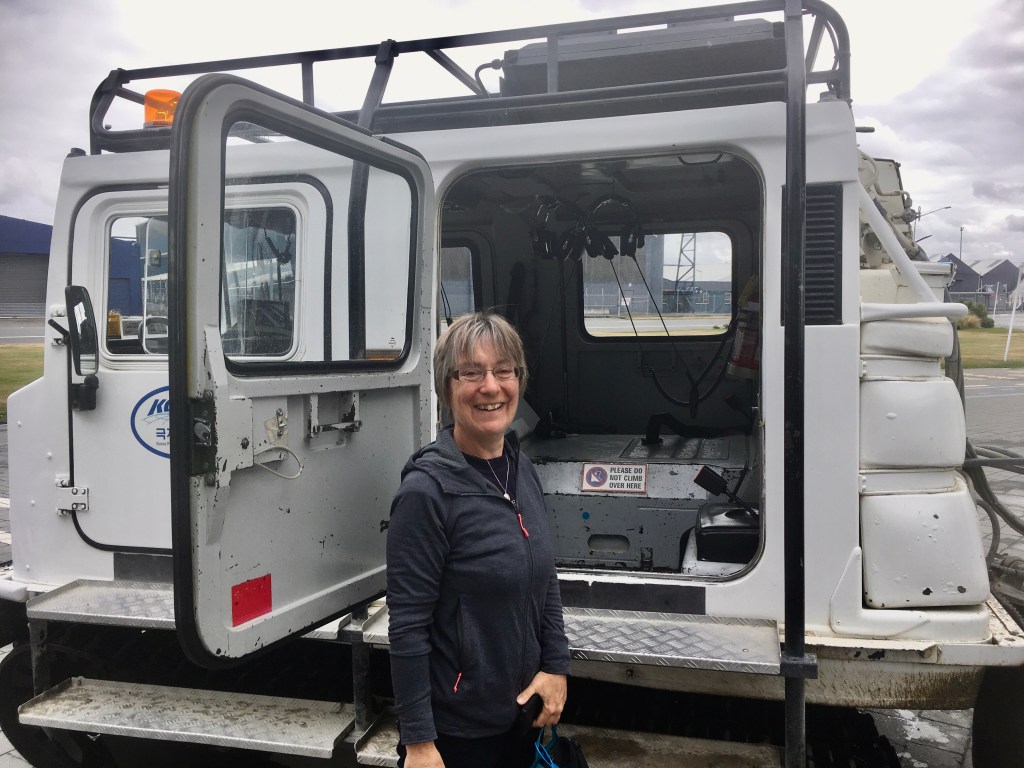
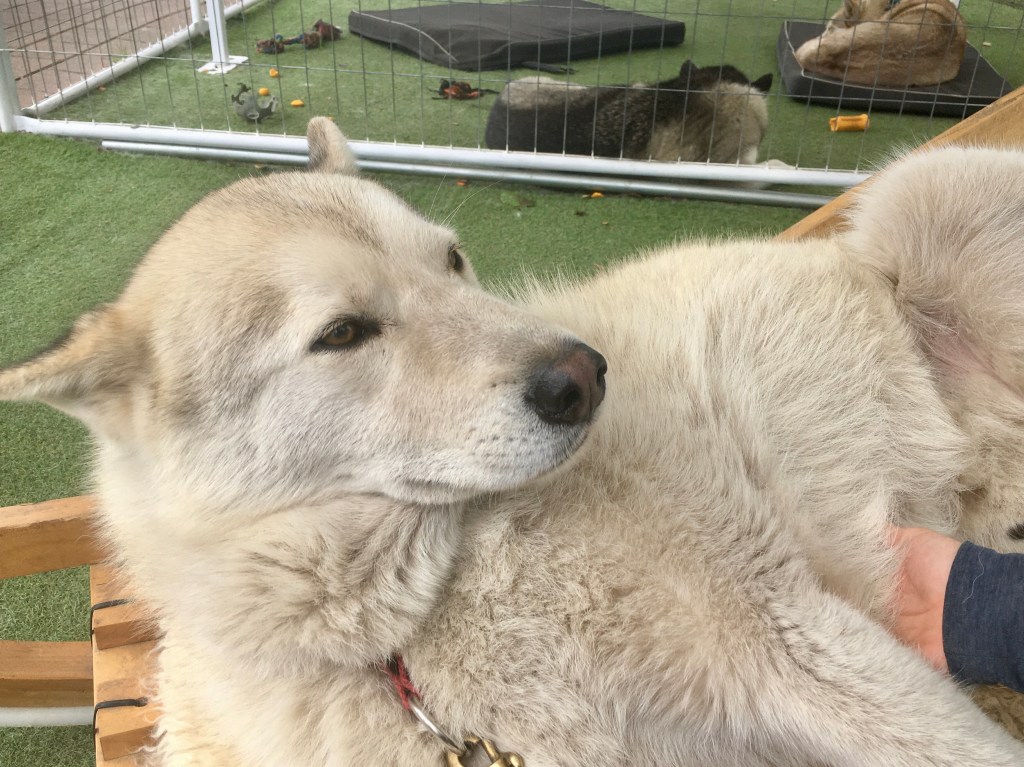
On Christchurch day two, we went to the International Antarctic Centre. On arrival we visited the penguin feeding site, where we saw the Little Blue and White Flippered penguins. The awesome little guys have been rescued (due to physical disabilities such as blindness or paralysis to a flipper they would not have survived on their own in the wild) and are cared for by the staff at the centre. We learnt about their feeding habits, how they grow new feathers (and their malting period) as well as seeing them feast on fish. These penguins are also a dark blue on their heads and backs and white on their breasts and stomach, with the counter shade plumage making it difficult for both aerial and marine predators to see them. Another fun fact; the word penguin comes from Welsh ‘pen gywn’, meaning white head. Who’d have guessed? Next up was a Haggland ride. Developed for the Swedish army in 1974, this all-terrain vehicle has wide tracks and a low centre of gravity meaning it can cope with the tough conditions in Antarctica. We did an obstacle course of hills, swamps and wooden ramps to simulate conditions they have to encounter. It was pretty awesome!! We then petted huskies (one was called Porridge much to my delight), watched a 4D film about travelling to Antartica (from Argentina) and learnt about the continent in the exhibition, which also showcased the research by scientists who live on the barren continent all year round.

17th March – 18th March (Kaikoura)

In the late afternoon (17th) we picked up a car and travelled for a few hours north of Christchurch to Kaikoura. The drive was spectacular, especially the latter section along the coast. In the evening we walked along the beach, watching towering waves crash against the black rocks, with moody skies above. Our Airbnb was a small but comfortable cabin and we enjoyed a picnic in bed. In the morning we were awake early (another sleepless night) so walked again along the beach. We watched the sunrise over the bay, with the moody skies replaced by blue. With snow-capped peaks in the distance, volcanic rocks on the beach, the sound of the waves and the warmth of the morning sun, I felt (for the first time in a while), at peace with myself and the world. Breakfast was Weetabix (a first for me) before we took once more to the road. Completely by accident we discovered Ohau point, where hundreds of seals were basking and playing in the salt water pools. We were spellbound. Moments like this are why I love to travel. Raw nature. The onwards drive was so scenic, windy roads, vineyards, pine trees and mountains. It reminded me of road tripping in Canada. We then arrived at Pelorus Bridge Scenic Reserve and did a 4 hour walk (steep hill) to Trig K Lookout. The views were outstanding and the forest walking was peaceful (well apart from mum rabbiting on at me the whole time).

18th March – 20th March (Marlborough Sounds)

Our Airbnb for the night was hands down the best I’ve ever stayed in. The hosts (David and Sarah) were so welcoming and we shared their kitchen and chatted about travels. In the evening David took us down to see a glow-worm cave, which was one of my favourite moments of the entire trip. We went to a small grotto in the forest and watched them emerge and sparkle against the rock. Then we lay on bean bags and star gazed, with insanely rich and beautiful night skies. I actually can’t find the words to describe just how memorable today has been.

On our second day in Marlborough sounds we walked the Doom Track, which was down the valley from our Airbnb. The name of our new home, ‘Off the beaten track’ couldn’t be more appropriate. It’s heaven. Mountains, rivers, walking tracks, rock pools for swimming. Our hosts are loving life. In the afternoon we walked a small chunk of the Queen Charlotte track which was also very scenic. With Norwegian-style fjords down to our left hand side and noisy forest to our right, the setting was perfect for some deep conversations. After some more home cooking we are going to lie in a jacuzzi and star gaze tonight. Yep… I told you the Airbnb was good!! It’s been surreal enjoying the tranquillity of New Zealand with so much chaos and confusion in the world (both personal and afar).

All I can say is that with so many people suffering across the world I feel truly blessed to be here in New Zealand. I hope everyone is keeping safe and that my blog post isn’t making self-isolation even worse (however boring it might be…). It’s fair to say I didn’t think I would be where I am one week ago…

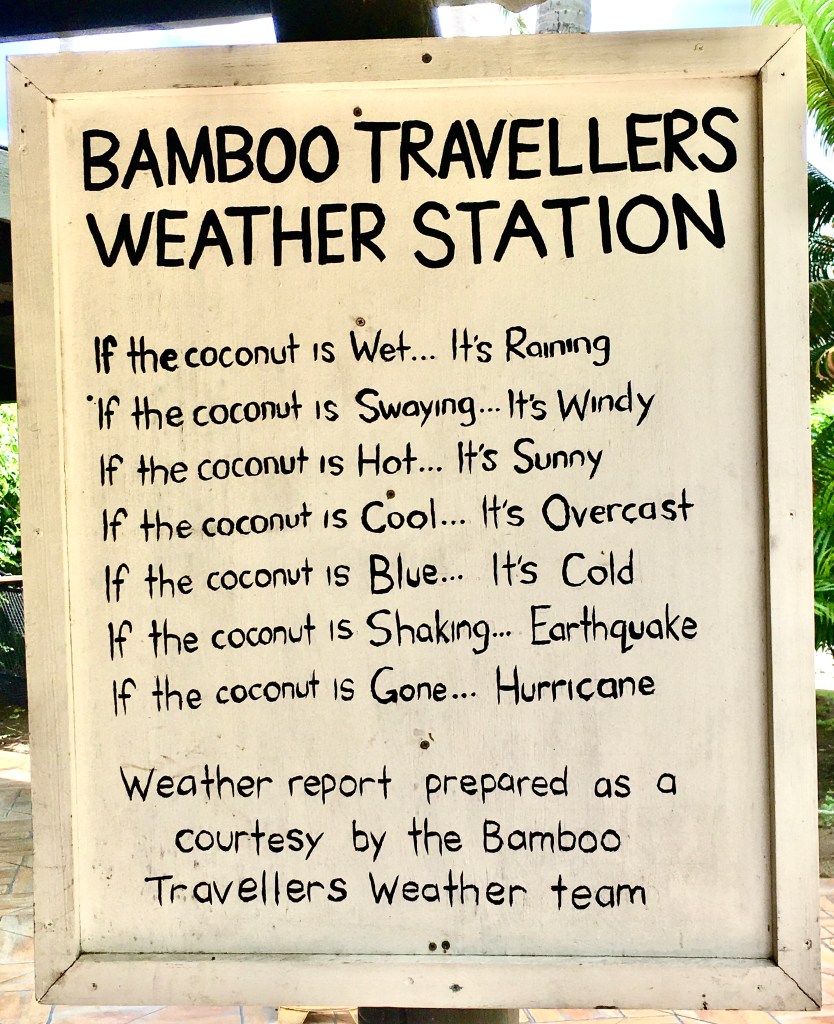
A very wet coconut

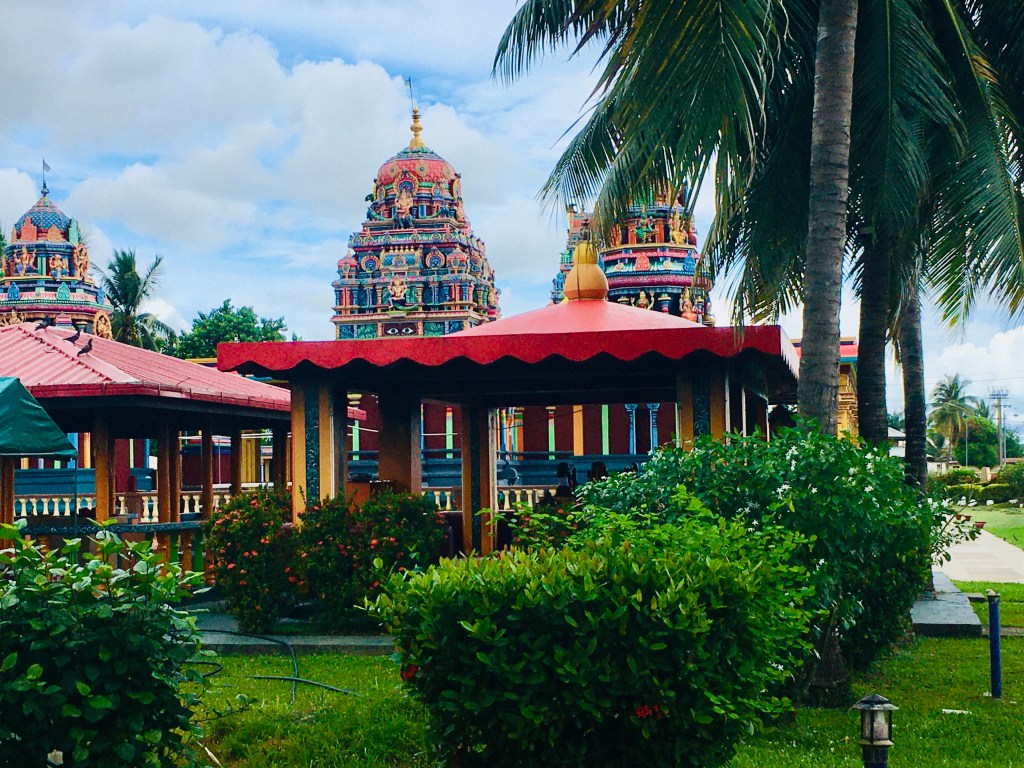
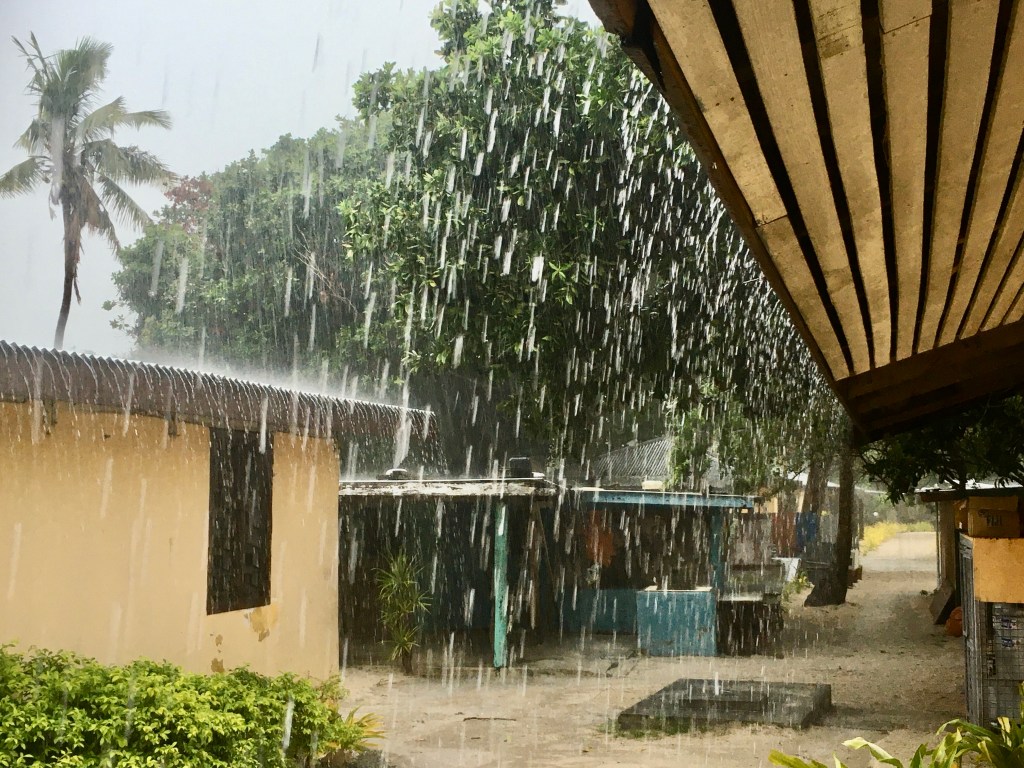
Bula from Fiji!! We touched down in Nadi after an overnight flight and set out to explore the town. The vibe was much closer to Sri Lanka than anywhere else we have been in South East Asia (very friendly and chatty people, but with more litter and less touristy). We checked out the colourful Sri Siva Subramaniya Temple and looked for (and failed to find) some new running shoes before heading back for a chilled afternoon and to escape from the torrential rain. The day was finished with a tasty chickpea curry at an Indian restaurant around the corner.

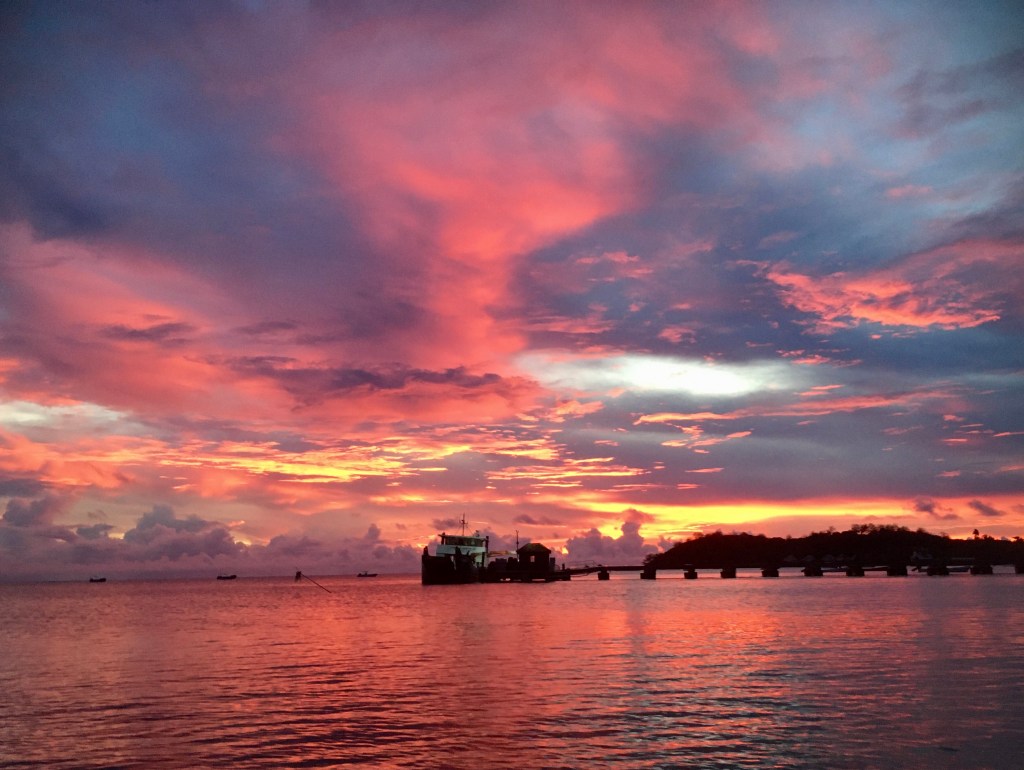
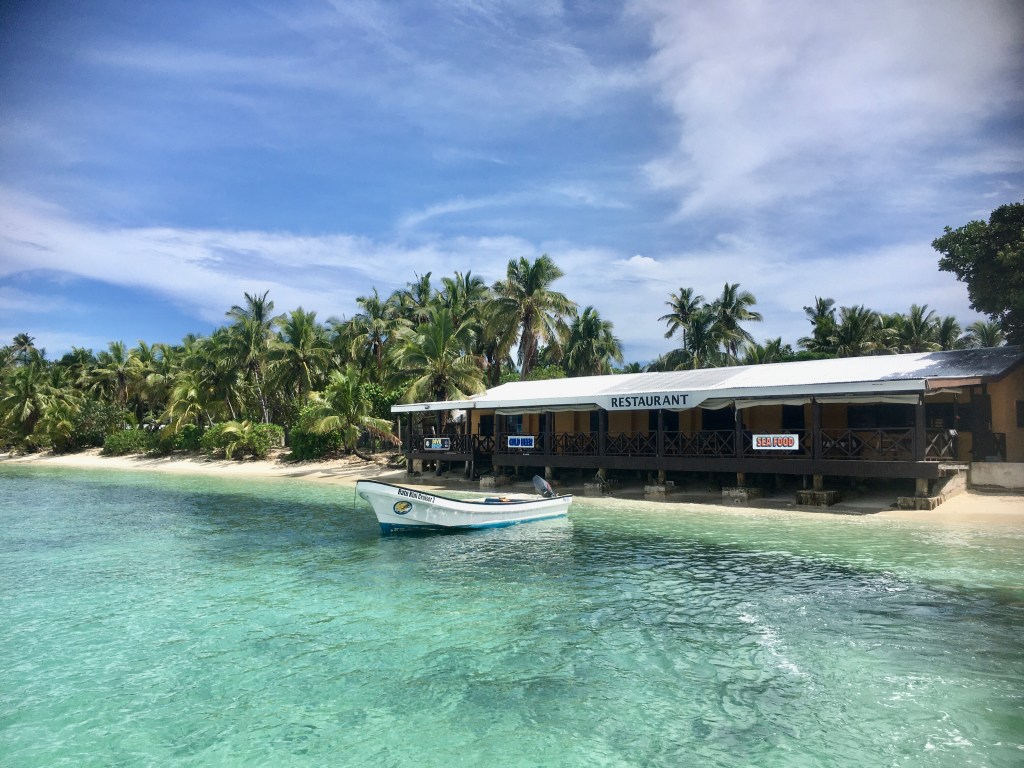
After a very wet night we set off for Mana Island, located about 30 km west of Nadi. We were picked up by our resort (Ratu Kini Dive Resort) and travelled for an hour on a boat to reach the island. Our new home was right on the beach and was so scenic. However (very annoyingly) the island was mostly shut for filming of a TV show called ‘Survivor’ so we didn’t get to explore. We hadn’t been told this in advance so felt a little disappointed. We also bodged up with water (not bringing a supply from Nadi) so had to buy expensive bottled water on the island because tap water is from the sea. Despite this we had a top time snorkelling and kayaking in front of our resort, before an early evening sunset cruise. And boy oh boy… what a sunset. Easily one of the best I’ve seen in my life, it looked like the sky would burst with the colours. Pinks, purples, blues and oranges blended together in harmony. It was a great end to the day. But it wasn’t over yet… roll on crab racing. In a rather random turn of events, we chose a crab and they raced (mine finished 2nd and Helen’s 3rd). The food on the resort was also really good and they catered excellently for gluten free, often making us special food. Meals such as cassava chips with chicken and rice with bolognaise were served and breakfasts were fresh fruit, hash browns and eggs. 

On day 2 (after a ridiculously long sleep) we visited the island school. The school caters for children on the island up to year 8, before they go to Nadi to continue their studies. Although basic, the school looked to have a good set up with desks, chalkboards, books and lots of posters about the environment and health etc. It was a nice addition to the day and gave us a feel for life on the island. Yet again, the rain was pouring down for most of the day, which was a shame as it meant we were limited for activities. However, in the afternoon we made Fijian bracelets from sea shells we collected on the beach. I took time to explore the village, which was also basic (small huts, lots of free roaming chickens) and I was greeted with a hearty BULA from everyone I passed. In the evening (after a traditional Fijian fish dinner) we tried Kava. This is a drink made from a type of pepper plant, which is ground and strained with water. It looked a bit like dirty laundry water and it tasted equally dodgy. Not in a hurry to do that one again…

Day 3 was a scuba dive. What an amazing experience!! Having never dived before we were both nervous but our teacher, Nico, was class. We learnt basic hand signals and techniques for diving before taking to the water. The dive lasted for just over 35 minutes and we saw loads of amazing fish and very colourful coral. Fiji has a reputation for being a beautiful place to dive and it lived up to that expectation. Although we saw too many fish to list them all, highlights included moorish idols, skunk clownfish, anemone fish and black and white snappers. Then… yep you guessed it… the rain came pouring down. The afternoon was another slow one, reading books and looking at some of our photos. In the evening we had a Fiji quiz, which was great fun and somehow our team won. It was a wonderful end to our time on Mana island. Vinaka Vakalevu Ratu Kini Team.

On our last morning on Mana (and reminding me strongly of camping holidays as a child) the sun came out and as we jumped on the boat to Nadi it was perfect beach weather. Back in the city, it was a classic Saturday afternoon. Haircut, shoe shopping (success), a new Fiji T-shirt and some groceries. Tomorrow is our final day in this tropical (in the wettest sense) paradise before a new country and a reunion with a special someone.

Super Singapore

8th March – 9th March (Singapore)

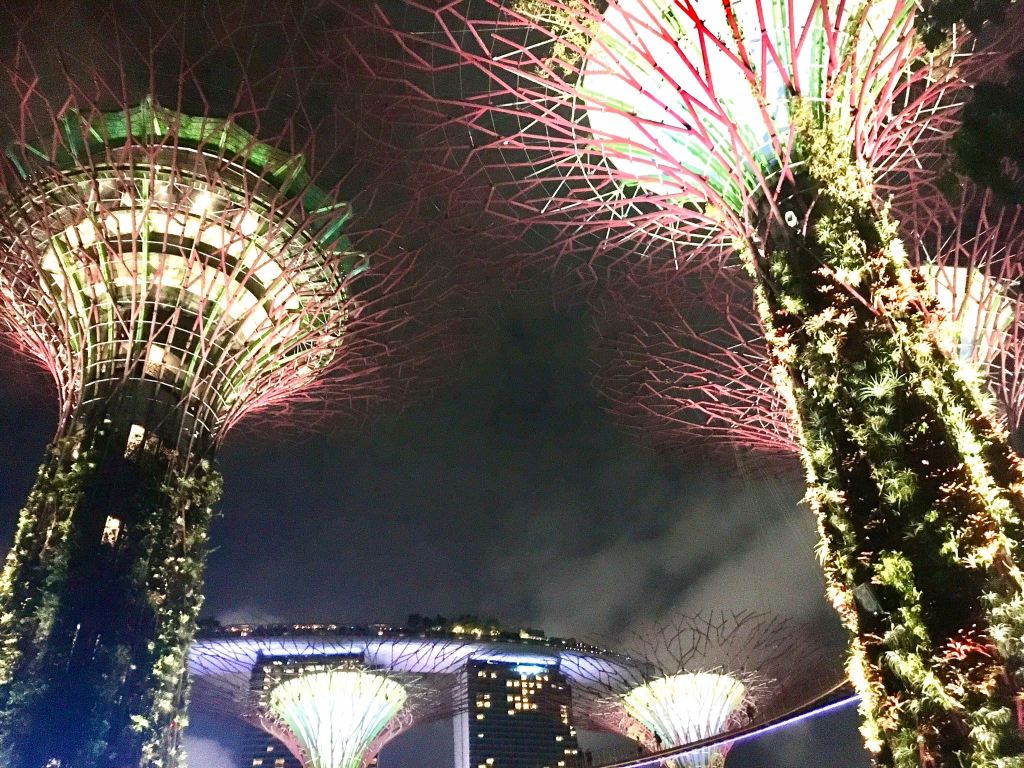
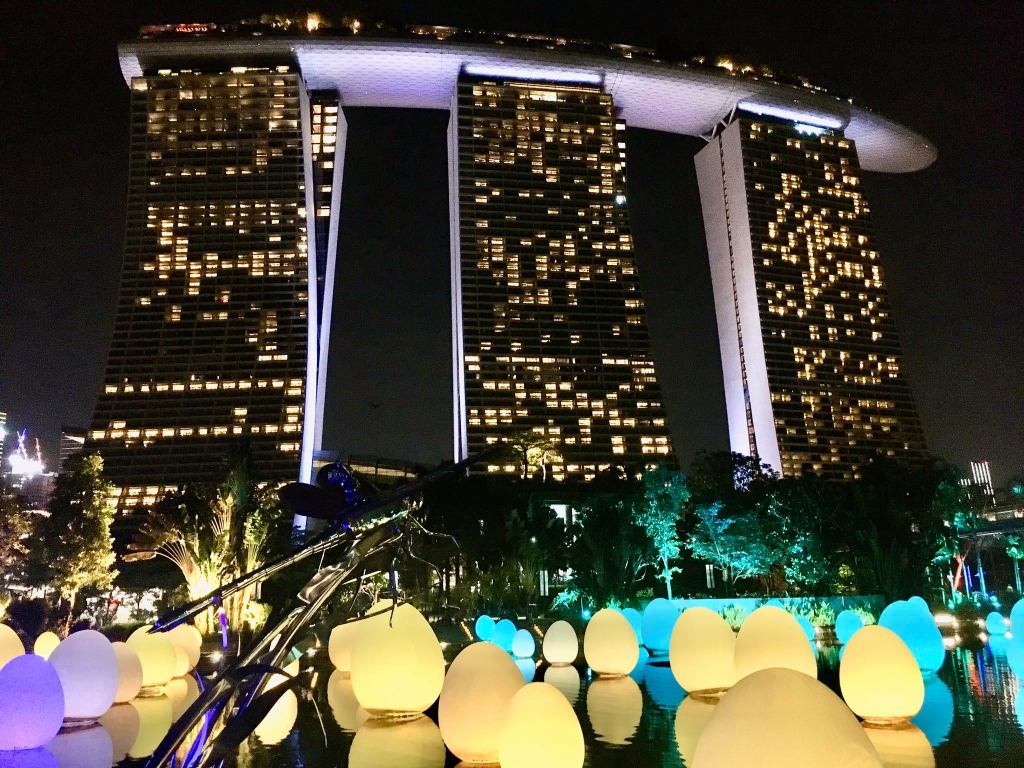
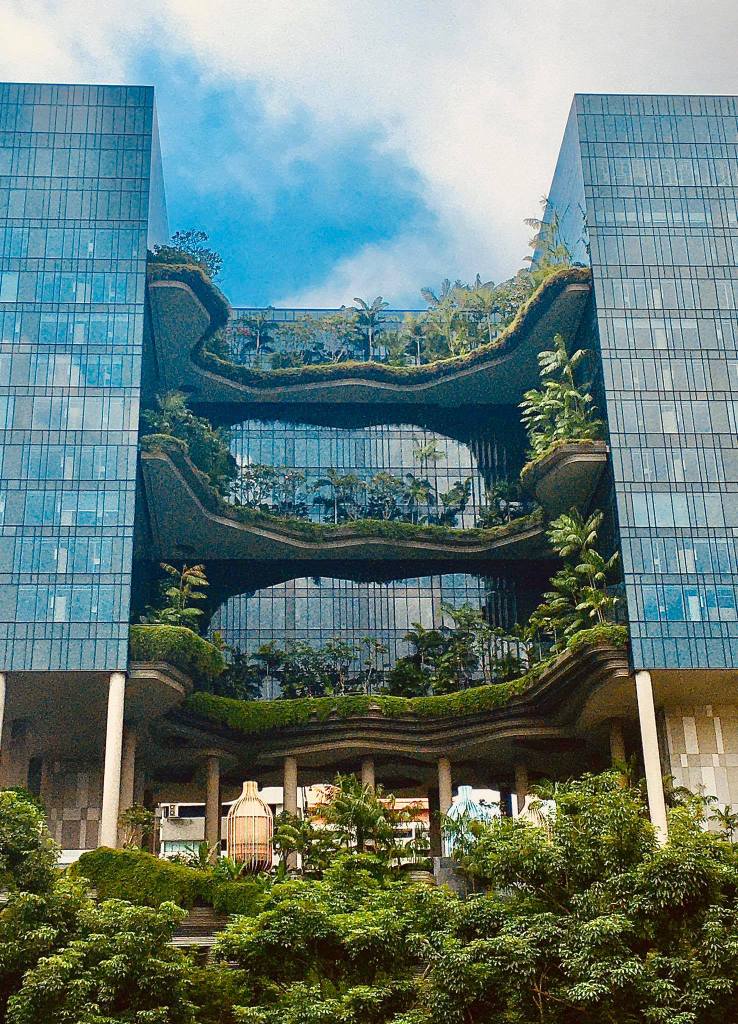
After a final riverside walk in Melaka (Helen went to the Sultanate history museum) we travelled to Singapore. The bus took five hours including a border (with Coronavirus checks) so it was early evening by the time we arrived. We then set off for the iconic Gardens by the Bay, walking past the equally iconic Marina Bay Sands. We watched the 8.45 pm light show in the Super-tree Grove and it was FANTASTIC. With opera music in the background and the trees dazzling with light, it was a truly memorable experience. What a start to our time here!! We were impressed by how clean and fresh the city felt and despite all the skyscrapers there seemed to be trees and greenery at every turn.

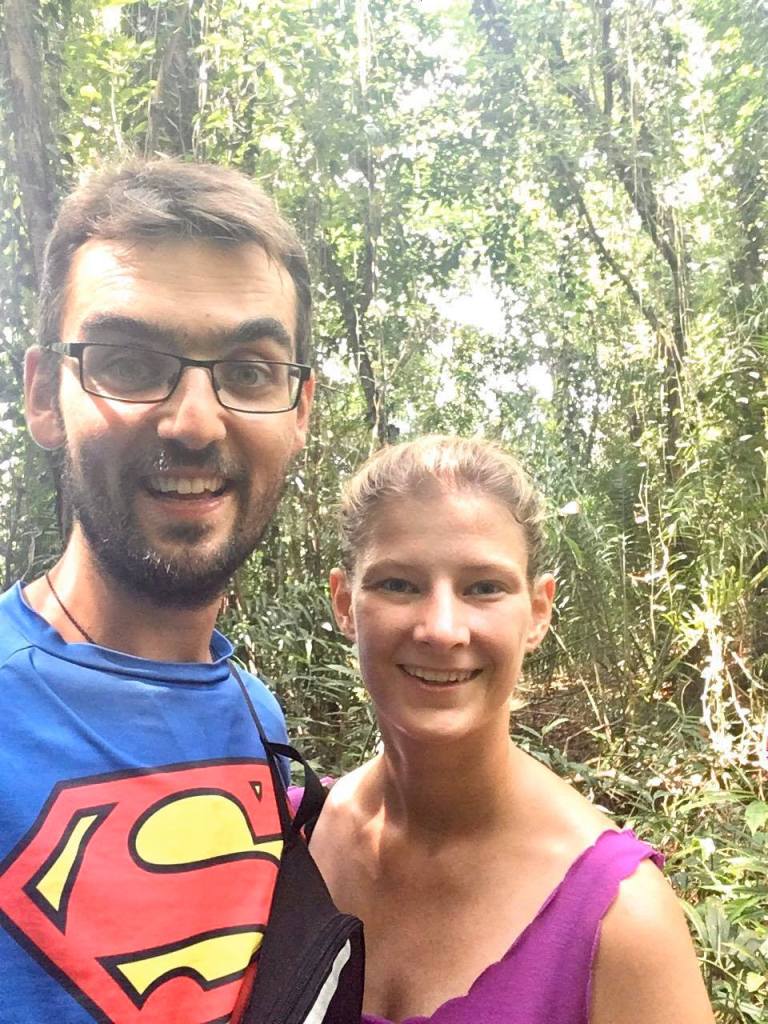
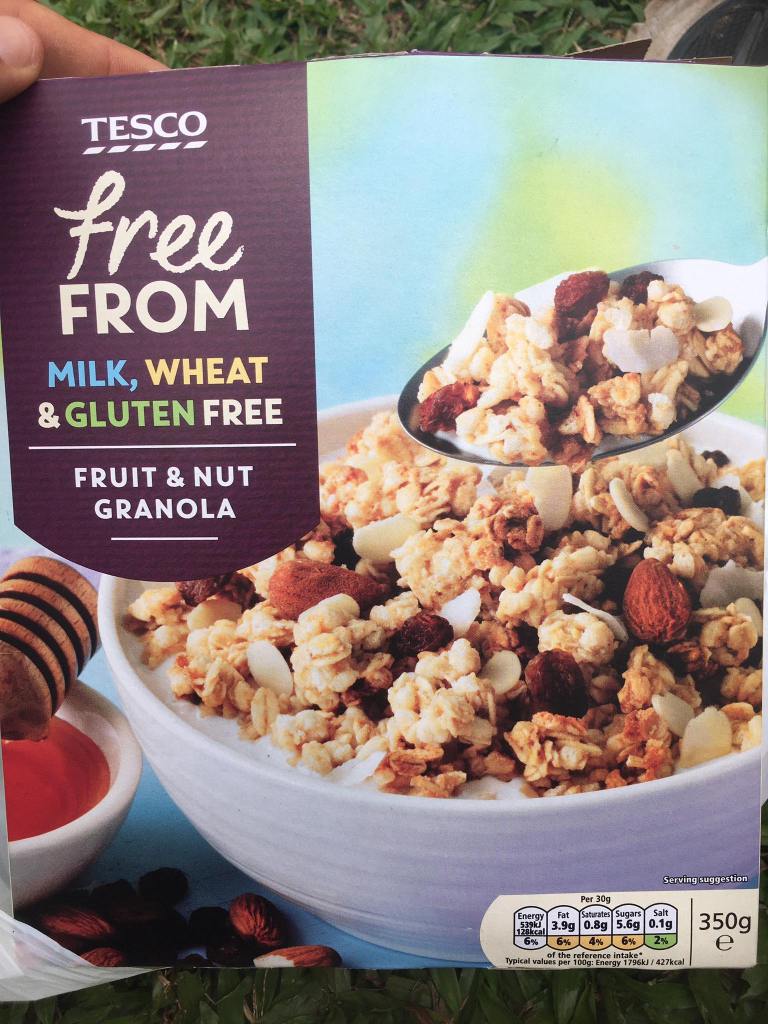
In the morning we went by MRT (the tube system which was class) to MacRitchie Reservoir and Park. We did an 11 km loop of the Reservoir along beautiful forest trails. The park was full of walkers and joggers as well as a few cheeky monkeys playing near the footpaths. We also walked along the TreeTop Walk, which was busy but very scenic. In keeping with the city, the park was extremely well maintained with clear footpaths and no litter. After finding and demolishing gluten free granola (life is good) we explored Singapore’s Botanic Gardens, which were sublime. Established in 1859 the gardens were designed by Lawrence Niven and since their establishment they have continued to be a centre for plant science, research and conservation. Today it’s library (~40,000 books and journals) and herbarium (~750,000 specimens) are used by botanists all over the world. The gardens are also Singapore’s first nomination as a UNESCO World Heritage Site. For us the National Orchid Garden (with over 1000 species & 2000 hybrids this is the largest orchid display in the world) and Swan Lakes were highlights, but the whole gardens were awash with so many beautiful colours and smells. On the way back we stumbled across CHIJMES; a former convent that now also houses a group of restaurants and cafes in the outside courtyard. We then visited the Esplanade rooftop and concert hall, which was equally wonderful and (in true Singapore style) offers free music concerts. Then we ended the night watching the light show at Gardens by the Bay again.

On our last day in South East Asia (momentous I know) we took a stroll to Fort Canning Park. The park is home to a fort used by the British from 1860 to WW2, and then the Japanese during the war. However, the original fort was viewed as a bit of a fail. It’s purpose was to protect the docks but it’s location meant that they were actually out of range of its canons. Oops. We also visited an underground bunker (Battlebox) where, on the 15th February 1942, Singapore was surrendered to the Japanese by the Malaya Command. This marked the start of one of the darkest eras in Singapore’s history and the beginning of the end for the British Empire here. The hill is also known as Bukit Larangan (Malay for Forbidden Hill) and was the seat of Temasek: an old Malay kingdom. Said to be the final resting place of Temasek’s last king, it may also be haunted… Finally, the park is home to several gardens named after key figures from Singapore’s history, e.g. Sir Thomas Stamford Raffles (1781-1826), who was also a naturalist. Our next stop was Chinatown and Sri Mariamman Temple. This is the oldest Hindu temple in Singapore (built in 1827) and is dedicated to the Mother Goddess, giving the temple its name. After picking up some supplies for lunch including Granny Smith apples (THEY TASTED SO GOOD) we walked along the marina front one final time. This afternoon we start the journey towards Fiji.

It’s been almost 4 months in South East Asia…. So here is

The good:

  1. The people; so welcoming, smiley and friendly
  2. The history, nature and sightseeing (every day has been something new)
  3. The scenery has quite often been out of this world
  4. The prices are unbelievably cheap (especially Vietnam)

The bad:

  1. The temperature… (we’ve never been so sweaty)
  2. Gluten free on the go food has been a struggle
  3. Bangladesh (well at least Dhaka)

The ugly:

  1. Rob, especially before having a shave

Monkeying around

28th February – 29th February (Kuala Lumpur)

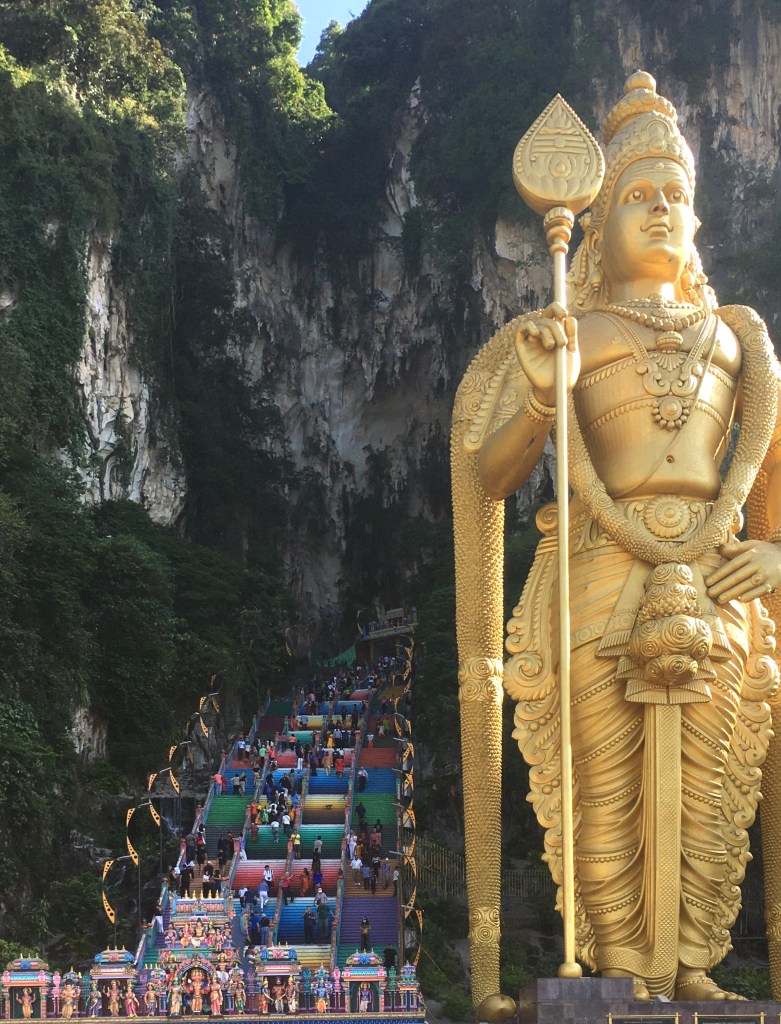
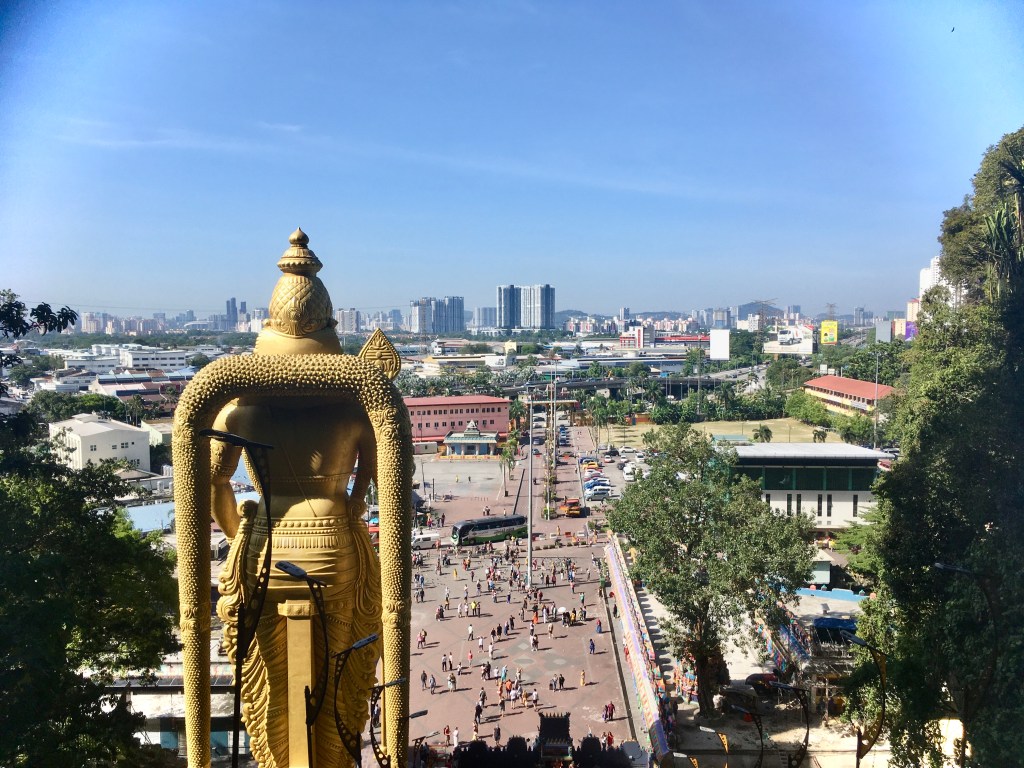
We arrived back in Kuala Lumpur on the evening of the 28th and feeling tired we crashed early. In the morning we jumped on a commuter train to the Batu Caves. We walked on rainbow coloured steps up past the huge golden Lord of Murugan Statue and hundreds of monkeys to the main cave (Temple Cave). The temples were so colourful and bright and the cave was way bigger than we expected, housing multiple shrines. We then visited Ramayana Cave, which contained colourful statues showing the story of the Ramayana; Prince Rama’s quest to rescue his wife from Ravana with the help of an army of monkeys (this is a great read by the way). A picnic in KLCC Park followed admiring the PETRONAS Towers and trying to find a shady spot. We then set off for East Malaysia and the island of Borneo!!

1st March – 3rd March (Sepilok and Sakau)

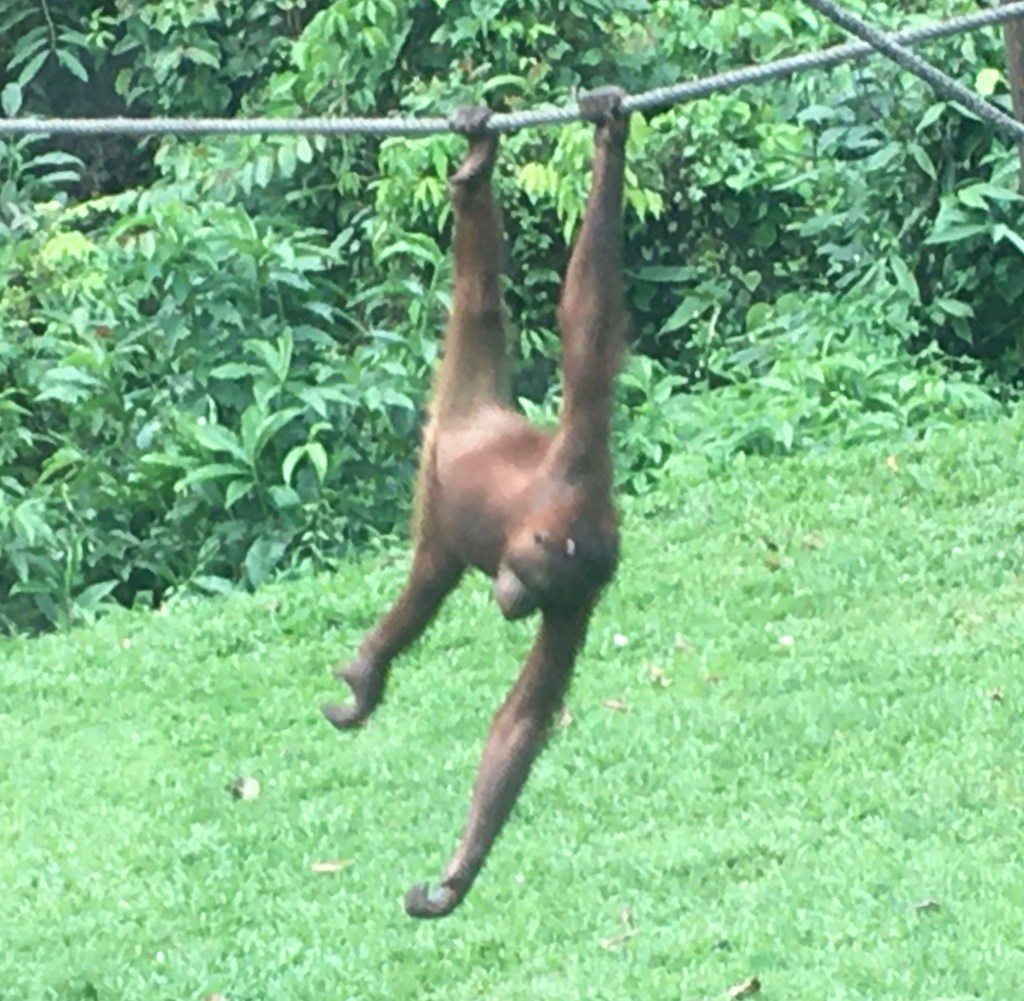
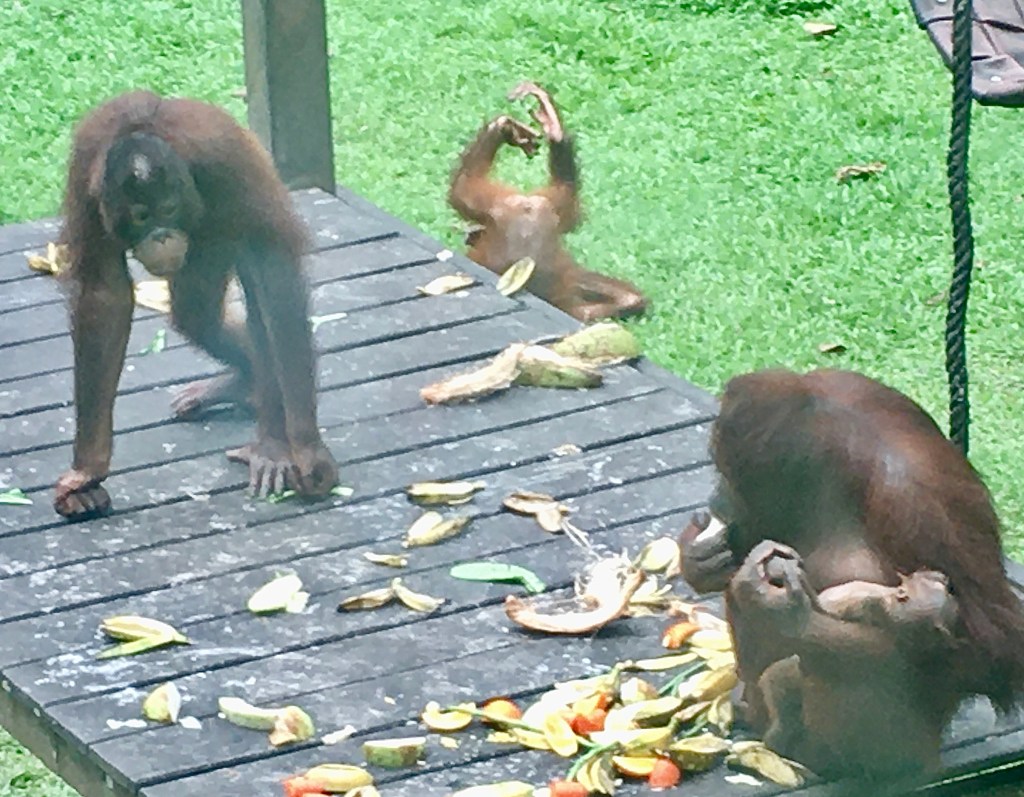
After a breakfast of scrambled eggs and beans at our nature lodge we walked to the Sepilok Orangutan Rehabilitation Centre. On arrival we learnt that an orangutan shares 96.4 % of its DNA with humans and the name translates as ‘man of the forest’. I also hadn’t realised that they are the only great ape species outside of Africa (gorillas, bonobos & chimpanzees being the others). They are solitary animals and females typically only produce 1 or 2 offspring across their lifetime. These behaviours coupled with deforestation means that their population is unfortunately declining.

The centre opened in 1964 and with support from Orangutan Appeal UK, has the aim of receiving, caring for, and eventually returning injured and/or orphaned orangutans back to the wild. It is now one of the best known orangutan rehabilitations centres in the world and has a 66% rehabilitation success rate for the 760 orangutans admitted since it opened. It costs the centre as much as £1500 per year to rehabilitate an orangutan, a long process that involves medical checks, nurturing, infant school (with games & play fighting to build social bonds) and outward bound school (restricted human contact to help them learn independence) before the animals can be released. This long process reflects the fact that a mother would spend up to eight years teaching their offspring skills such as climbing and foraging (this is one of the longest childhood dependence on the mother of any wild animal). The centre also developed a buddy system, whereby babies are paired with older orangutans to aid with skill development. One of the other great things is that the centre is built into protected forest, so the orangutans can live on their own without human contact. We walked through the forest, witnessing feeding platforms and the outward bound school, which was amazing. The orangutans jumped, did roly-polys, swung on ropes and had a wonderful time. It was an incredible experience and one of our best ‘nature moments’, since the Sri Lankan elephants.

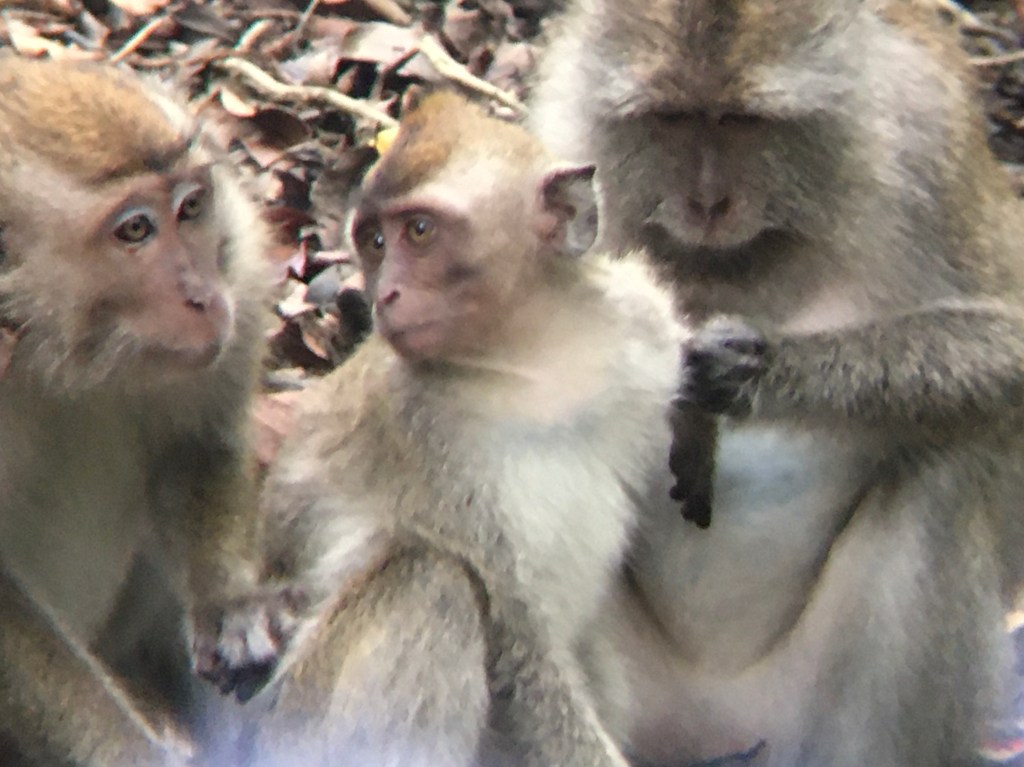
We then set off for a Kinabatangan river cruise, which was one of the main reasons we came to the area. The drive to the lodge (Sakau Backpackers Bed and Breakfast) was long, but as usual it was nice to escape from the heat. After a short break we jumped into a small boat and cruised along one of the tributaries of the river. On our first two hour excursion we saw; long tailed macaques (a whole family playing and grooming each other), an oriental pied hornbill, proboscis (long nosed) monkeys which looked hilarious, monitor lizards, silver leaf monkeys (i.e. the David Beckham monkey), pig tailed macaques and a grey tailed racer snake. The surrounding rainforest was just as impressive and we could have been on a movie set from Tarzan. After dinner at the lodge (rice with bean sprouts and squash, finished with watermelon) we were off for more. On the night cruise we saw: buffy fish owls, baby saltwater crocodiles, a pied fantail, blue-eared and stork billed kingfishers and a Bornean blue flycatcher. The colour of the birds was simply incredible and our guide was great at spotting them.

It was a 6 am start the next day for yet another river cruise. More kingfishers, monkeys (jumping, swinging and eating grass ride by the river bank), hornbills and baby crocodiles awaited us as we meandered along the river, dozing in the morning sun. After breakfast we then took a break from the boat and walked through the rainforest spotting the rare Bornean gibbon along the way. It was nice to chat with fellow travellers and I got some new ideas for later in the trip. One final sunset river cruise capped a great few days at the lodge (more animals were of course seen, but I’ve probably bored you to death already so I won’t list them again).

After transferring back to Sepilok in the morning we sorted some future travel bits and then explored the Rainforest Discovery Centre. It was awesome. Although we didn’t see many birds (the evening is a better time), we had a wonderful time exploring the forest and learning about different bird species including their migration patterns and evolution from dinosaurs. The only thing that was missing was any information/acknowledgement of the effects of palm oil plantations on the forests in this area. Just before leaving we spotted a giant tree squirrel and a Wallace’s hawk-eagle which was an excellent way to finish our experiences in Borneo.

4th March – 5th March (Kuala Lumpur)

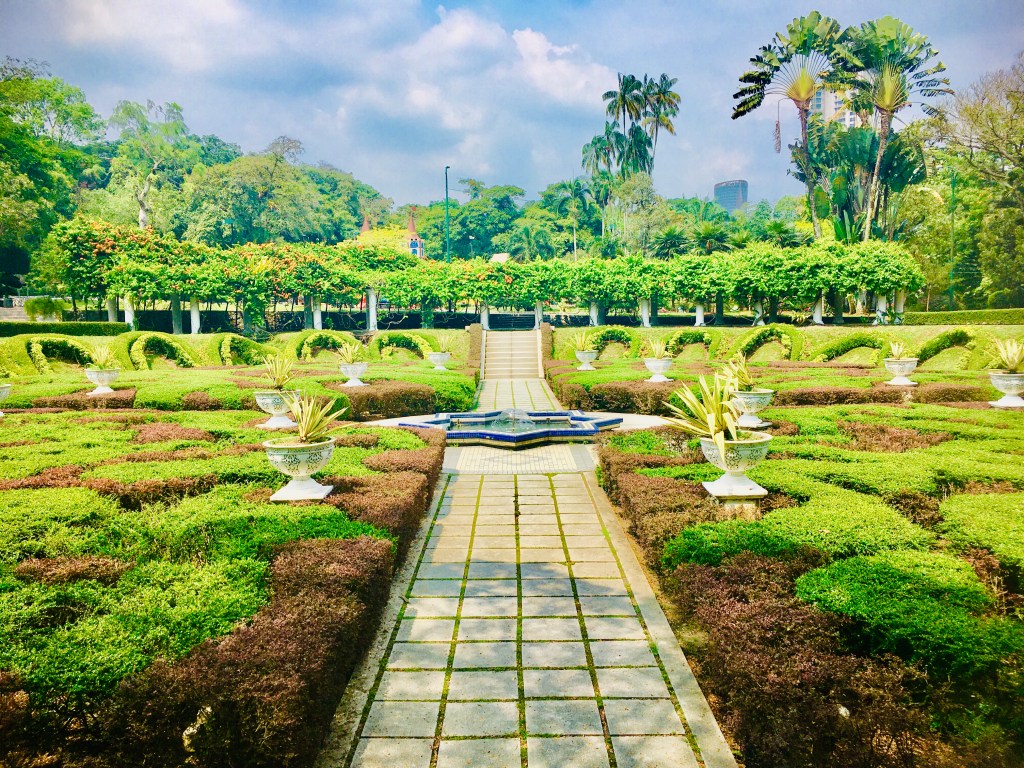
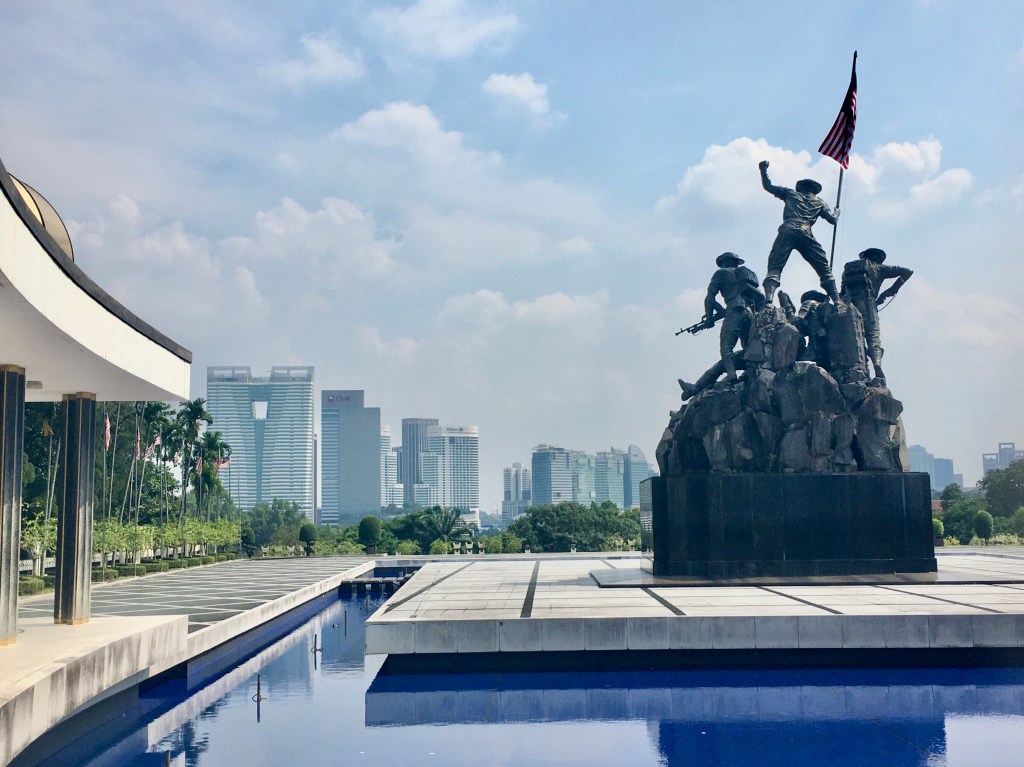
After returning to Kuala Lumpur in the morning we checked into our most visited hostel (Dorms KL) one last time before I set out to explore the Perdana Botanical Gardens. Hidden within the city, the lake and surrounding gardens were peaceful and it was great to escape from the noise of the city. The gardens had huge dome structures (similar style to Singapore), beautiful flowers, a deer park and a hibiscus garden and made for wonderful walking. Across the road there was also a sculpture garden and the national monument/war memorial which I’m glad I managed to see. With the sun staring to drop we had one final explore of the old heritage area before dinner.

6th March – 7th March (Melaka)

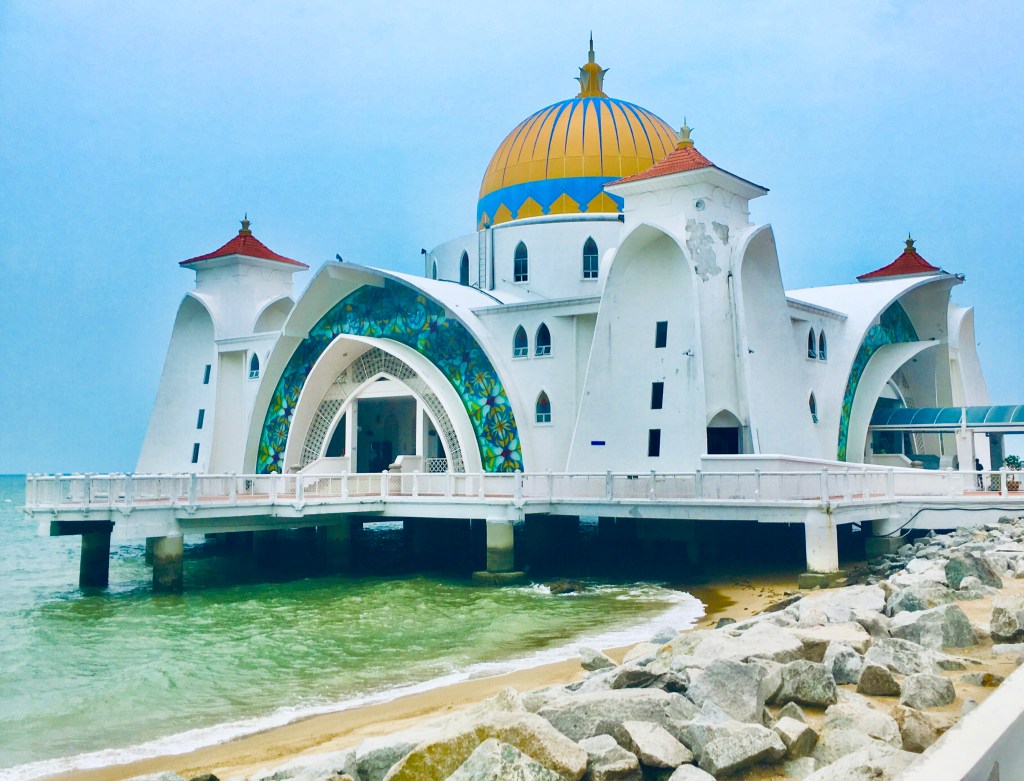
We arrived at our last Malaysian stop, Melaka, at lunch (the 5th) and after a wild goose chase trying to find our homestay we visited the Melaka Straits (Masjid Selat) Mosque. It was located right on the waterfront and after attaining the appropriate gear we enjoyed exploring inside. Then it was back to the homestay to do laundry (no more smelly socks!!) before Poh San Teng Temple and Bukit China; the ancestral burial ground of Melaka’s Chinese community (with over 12,500 graves it is the largest and oldest Chinese graveyard outside of China). The area also contained moving monuments for the Chinese victims of the Japanese occupation during WW2. The evening activity was river walking, admiring the Old Dutch and Portuguese fortifications (Melaka used to be an important port town). A nice day was finished with a (spicy) dinner of eggplant masala and creamy spinach and potato.

On our second day we walked past the Independence Memorial before A Famosa; the Portuguese fortress. The leader of the Portuguese army that conquered Melaka in 1511 (from the Malay Sultanate), Alfonso de Albuquerque, started the construction in 1512 using forced labour. Many other buildings were also developed in this era including St Paul’s Church (the oldest church in Southeast Asia) and shop houses on Jonker Street and Heeren Street. The Dutch then captured the city in 1641, expanded the fortress and built other gates and bridges and there is still evidence of the Dutch East India Trading Company logo on the surviving gate. Then, in 1807, the British demolished most of the fortress in fear that it might be used against them after Melaka was given back to the Dutch. However, Porta de Santiago (one of the four main gates) and some surrounding houses survived as a few English lords intervened to stop the fort from being completely destroyed. Nonetheless, in 1819 when the city was returned to the Dutch, it was in such a state of disrepair that they focused instead on the islands of Java, with the British developing Penang and Singapore. In 1824, the Anglo-Dutch treaty was signed returning Melaka to British rule.

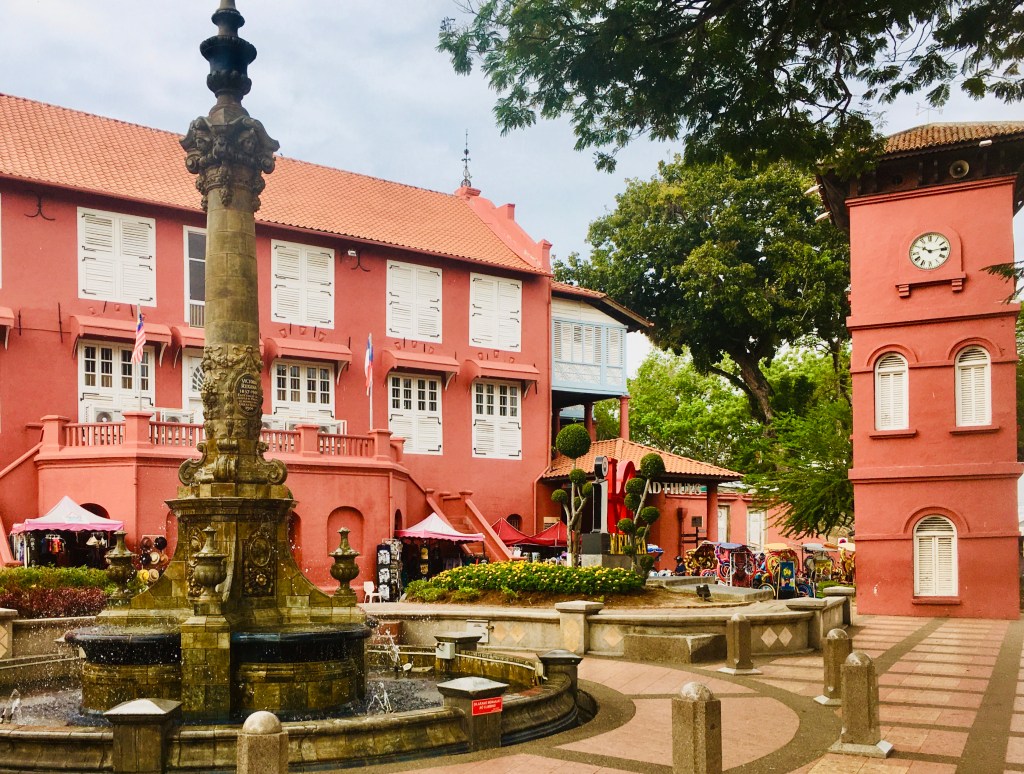
Next was Dutch Square; a group of terracotta-red colonial buildings constructed by the Dutch between 1660-1700 (this is one of the oldest surviving parts of Melaka). One of the most prominent features of the square was a Victorian marble fountain that was erected in 1904 to commemorate Queen Victoria’s Diamond Jubilee. Dutch Square’s other important buildings included the Stadthuys (the oldest-existing Dutch building in the East) and Christ Church. After Dutch Square we walked to Jonker Street and the Chinese area, including the impressive Cheng Hoon Teng Temple (built in 1673 this is the oldest functioning temple in the country) and a Chinese tea house, with intricate carvings and wall paintings. Then came the rain (it was torrential) so we took shelter and drank coffee. In the afternoon we visited Villa Sentosa, a Malay living museum. Our guide Abraham was fantastic and he told us how the Malaysian King and Queen had visited and showed us the various rooms of the traditional Malay house. A very unique experience and one of the highlights of the day. Melaka was such a fun place to visit and with it’s interesting history and architecture, as well as street art, and relaxed vibes it became one of our favourite cities of the trip. We are sad to be leaving Malaysia.